


In 1963, Atlanta Mayor Ivan Allen Jr., a white Democrat, risked his political life by testifying before Congress in favor of the bill that would become the Civil Rights Act of 1964.
He was the only Southern mayor to take this leap at a time when Jim Crow laws across the South permitted racial discrimination to deny Black citizens services, food, housing, health care and even equal access to the voting booth.
On the other hand, the municipal opponent Allen defeated in the 1961 election, Lester Maddox, who would later become a Democratic governor of Georgia, opposed ending segregation.
His opposition was so ardent that he posted a sign at The Pickrick Restaurant he owned, denying service to “integrationists” and “interstate travelers” regardless of background.
Soon after then-President Lyndon B. Johnson signed the act into law, Maddox shut down his restaurant rather than serve Black patrons and their allies.

Credit: AJC Staff
Credit: AJC Staff
Trump rewrites civil rights history
That was only 62 years ago, but today, Republican President Donald Trump is rewriting the history of the Civil Rights Act, claiming it created reverse discrimination as part of a pattern of attacking diversity in his statements and executive orders.
In a recent interview with The New York Times, Trump said: “White people were very badly treated, where they did extremely well and they were not invited to go into a university to college.” The Times wrote that the president’s remark was “an apparent reference to affirmative action in college admissions.”
“So I would say in that way, I think it was unfair in certain cases,” added Trump, concerning the Civil Rights Act.
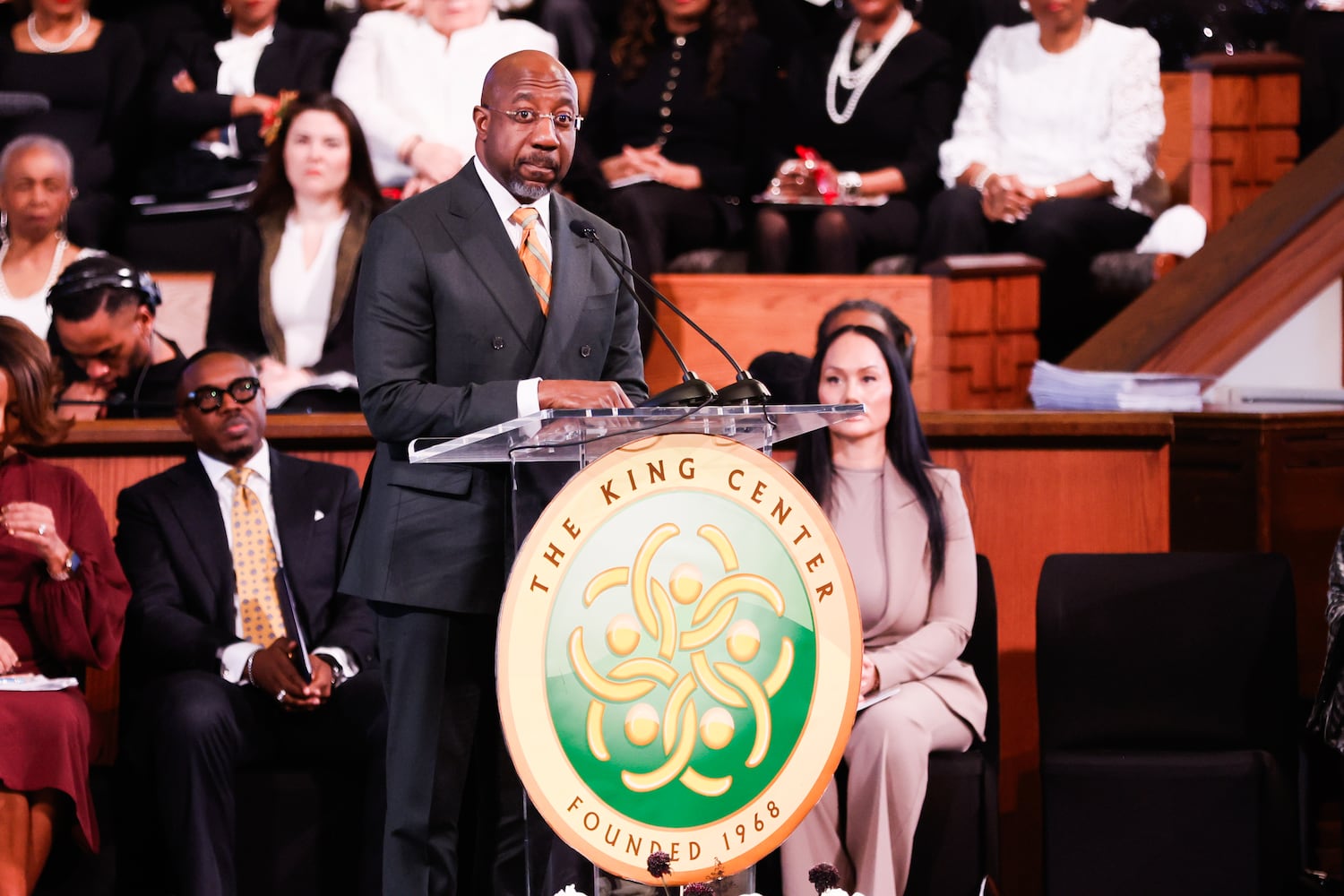
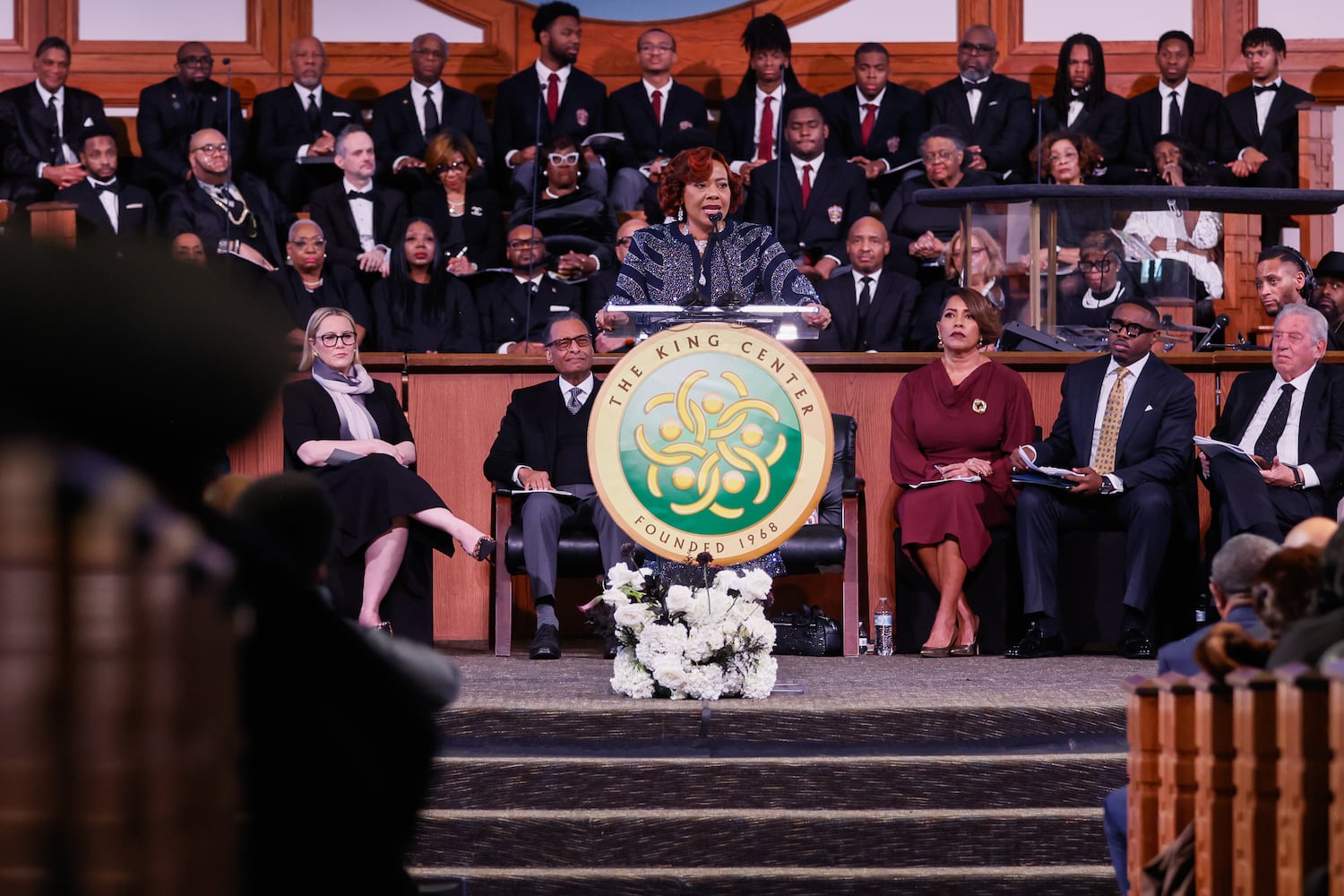
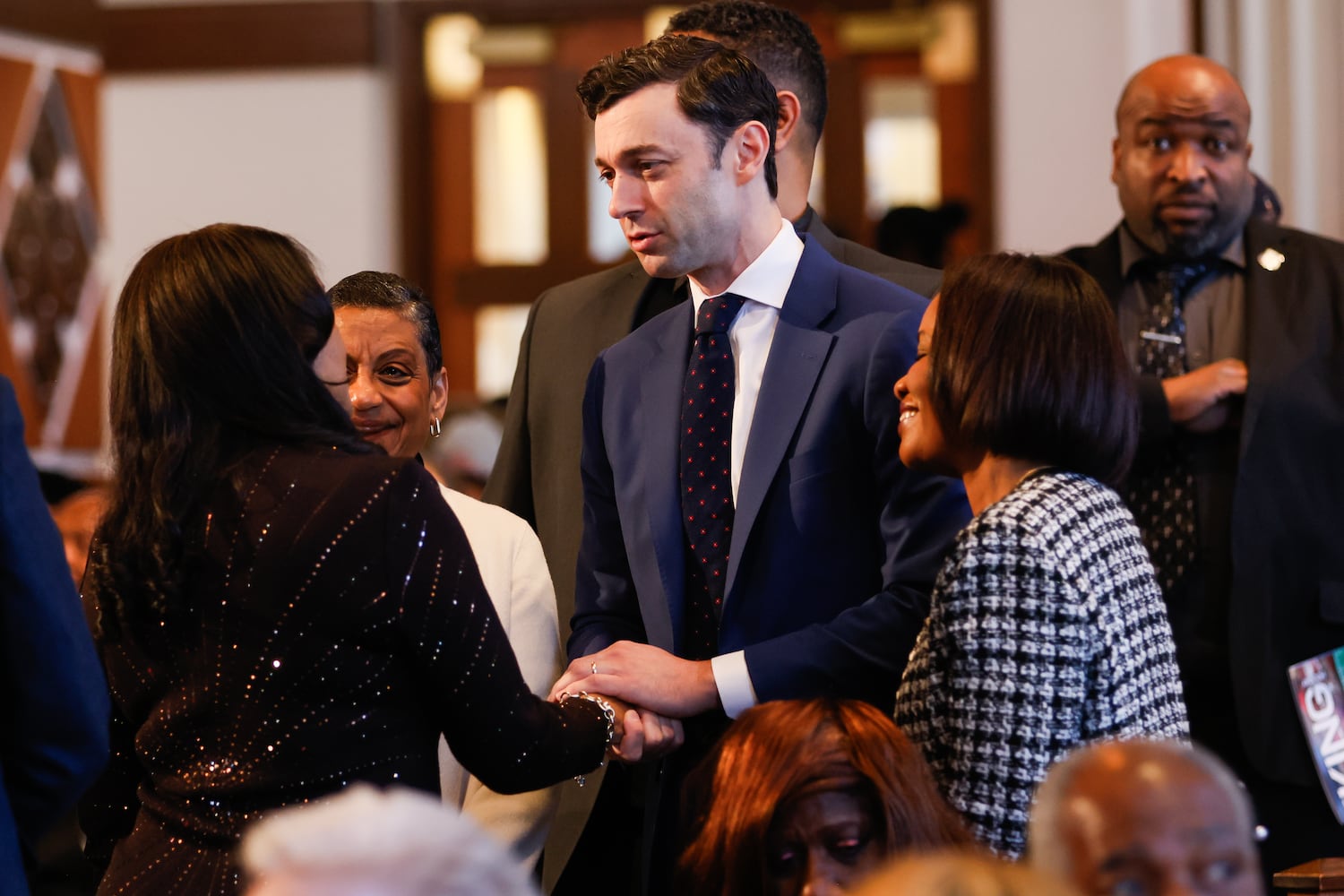
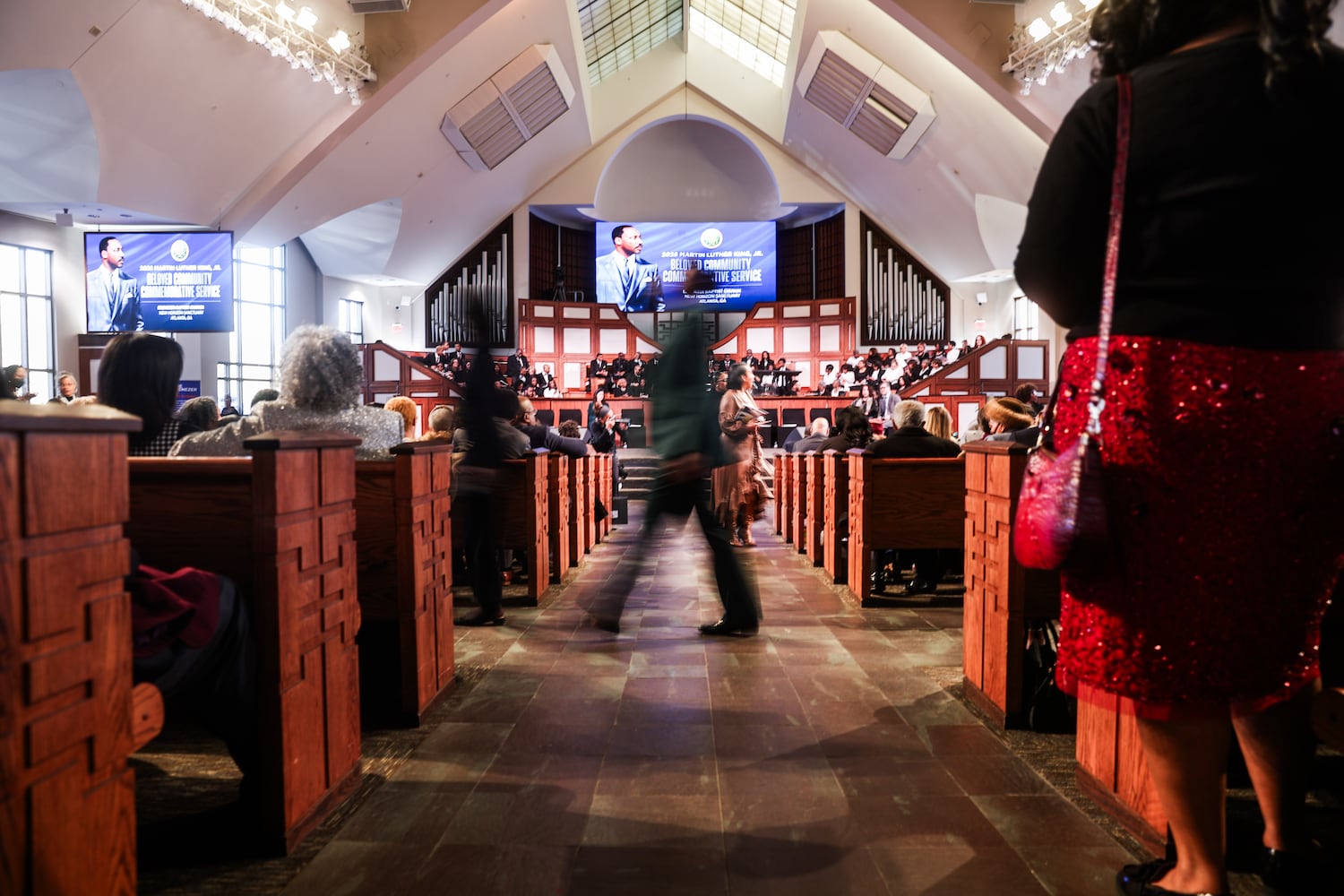
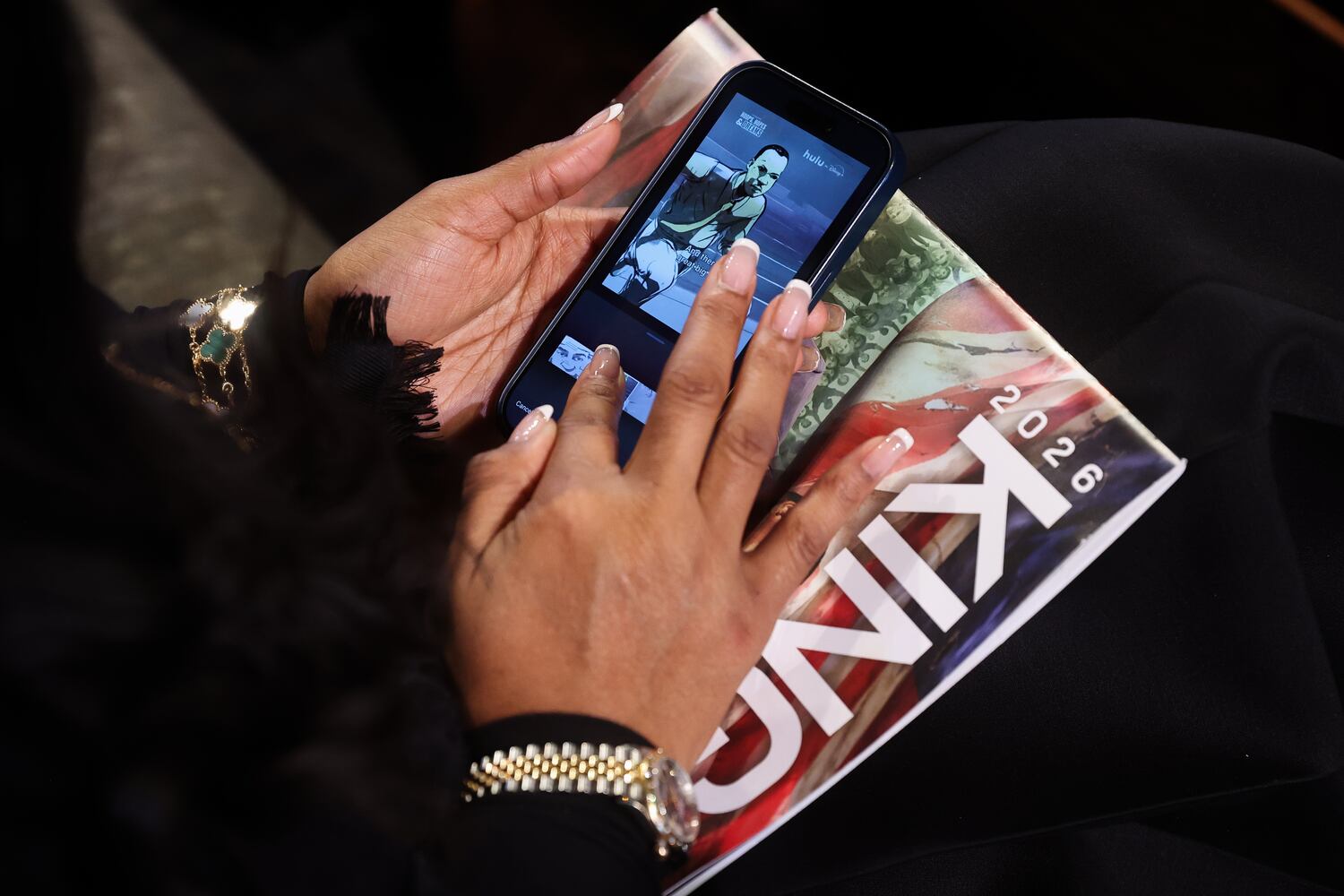
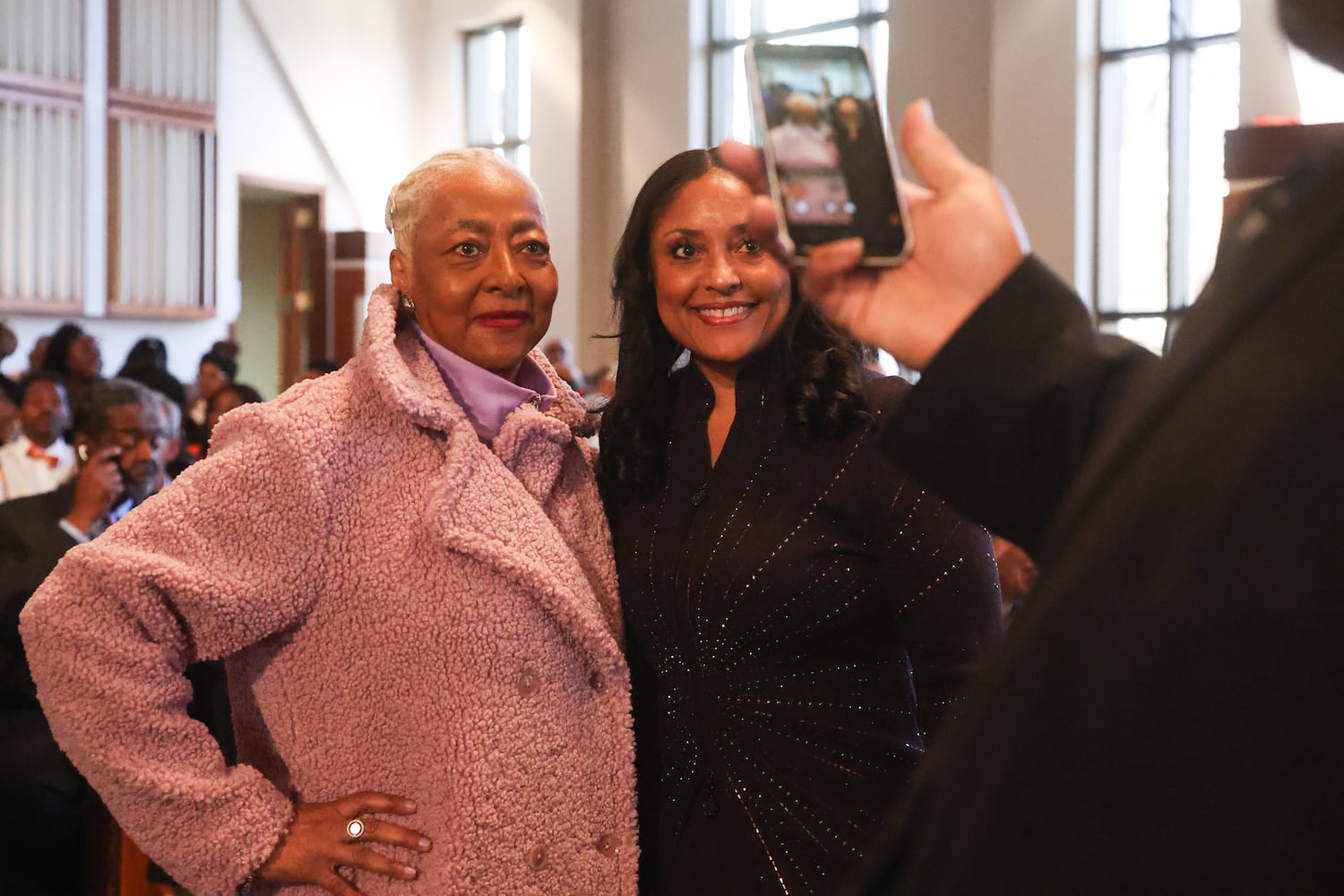
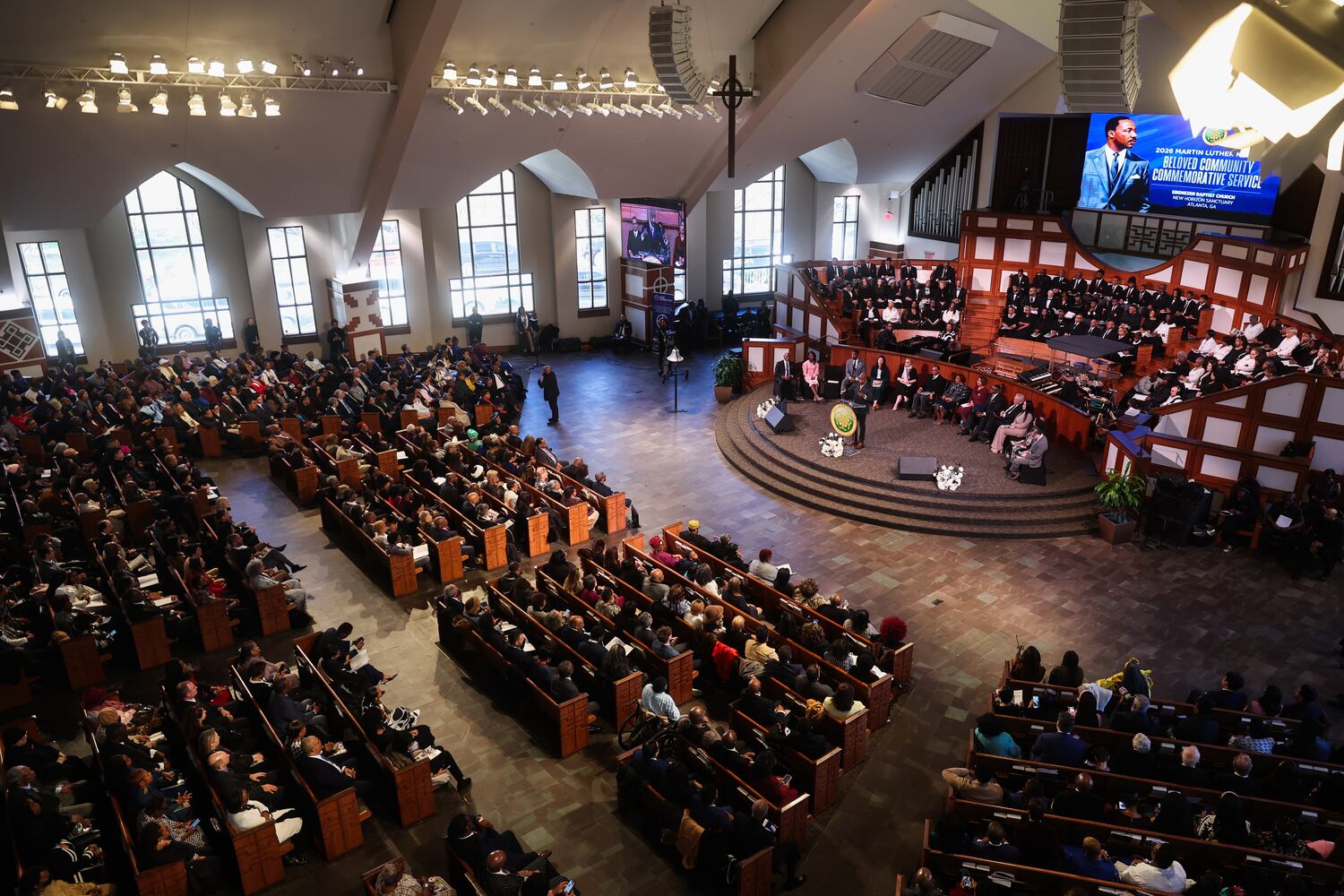
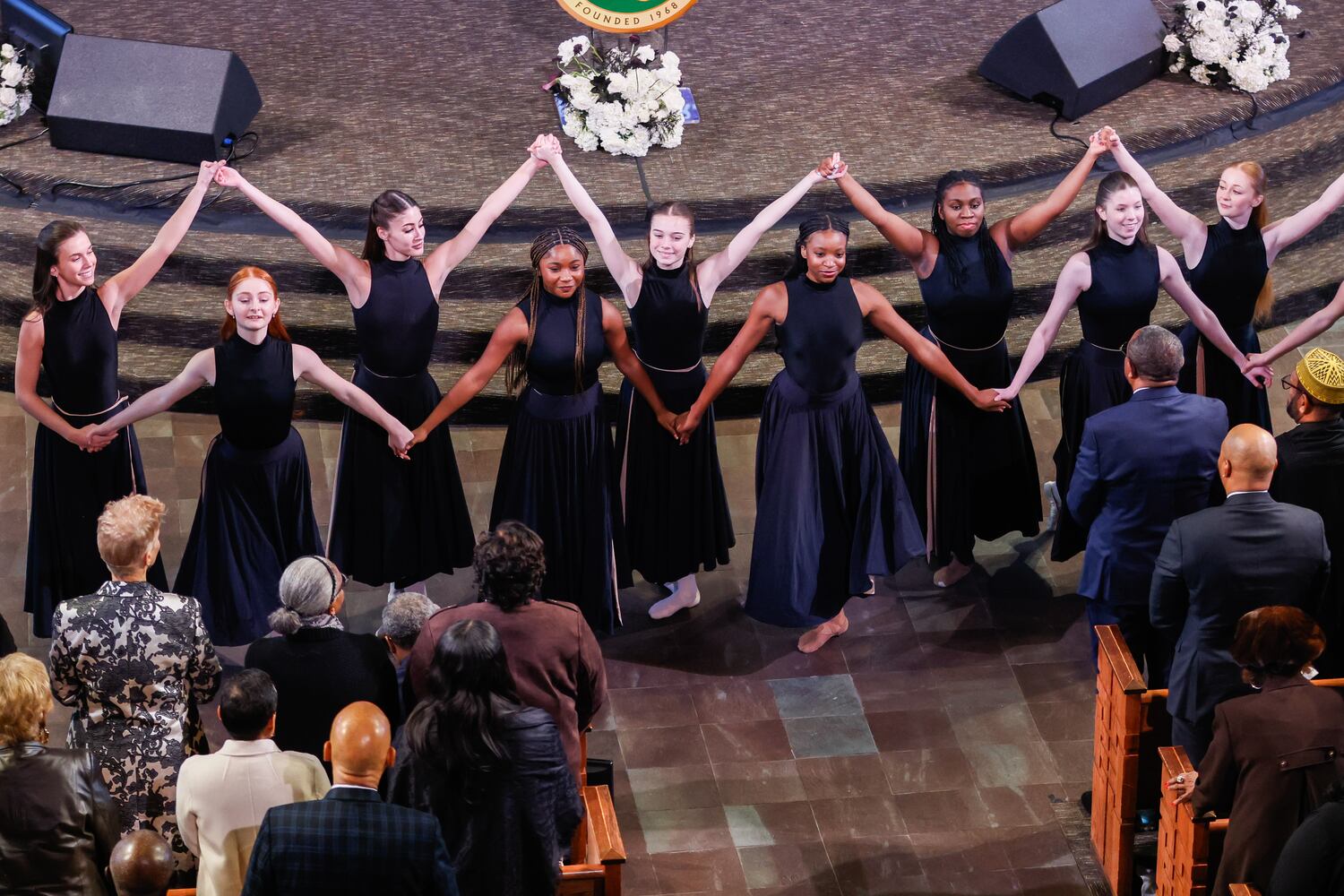
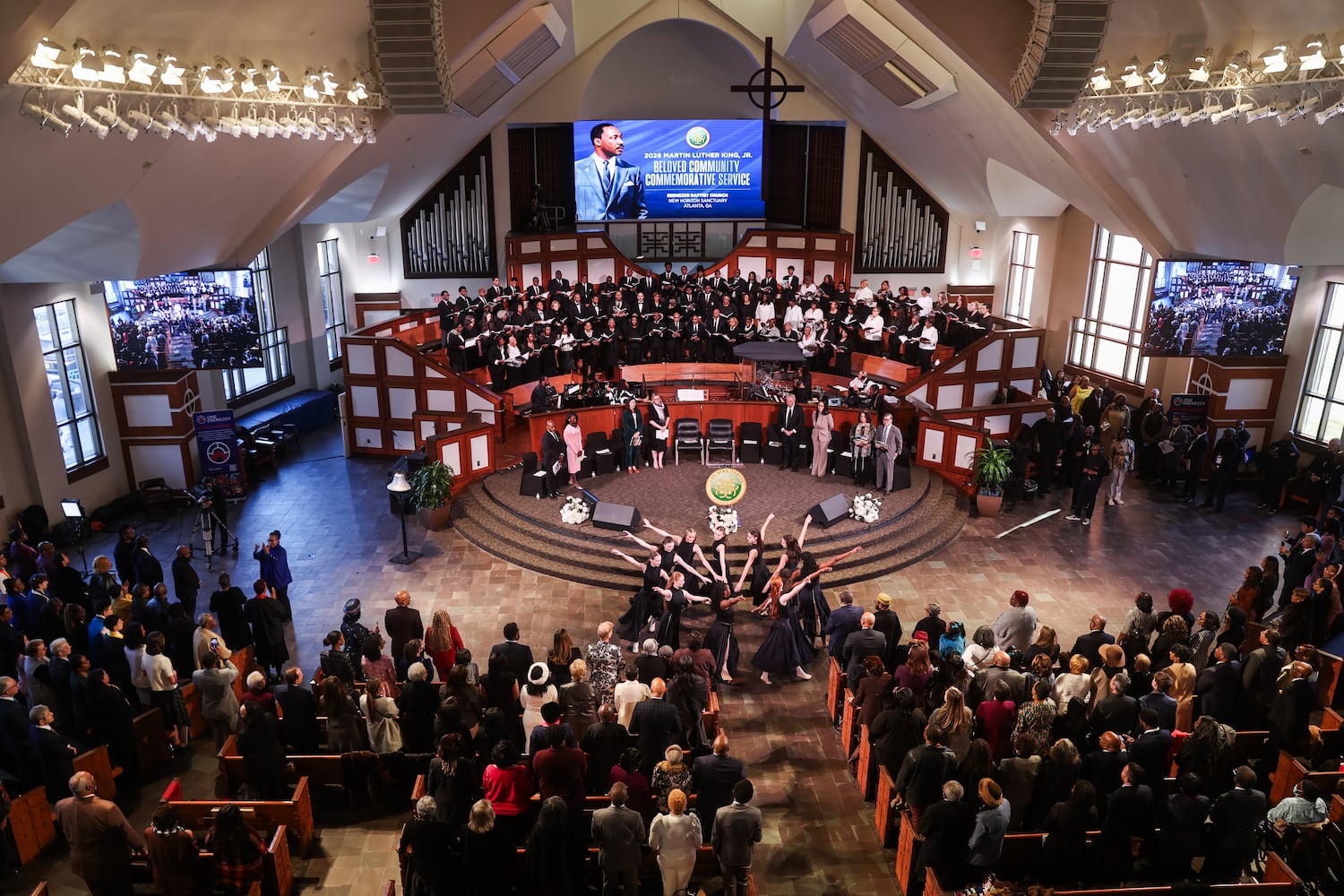
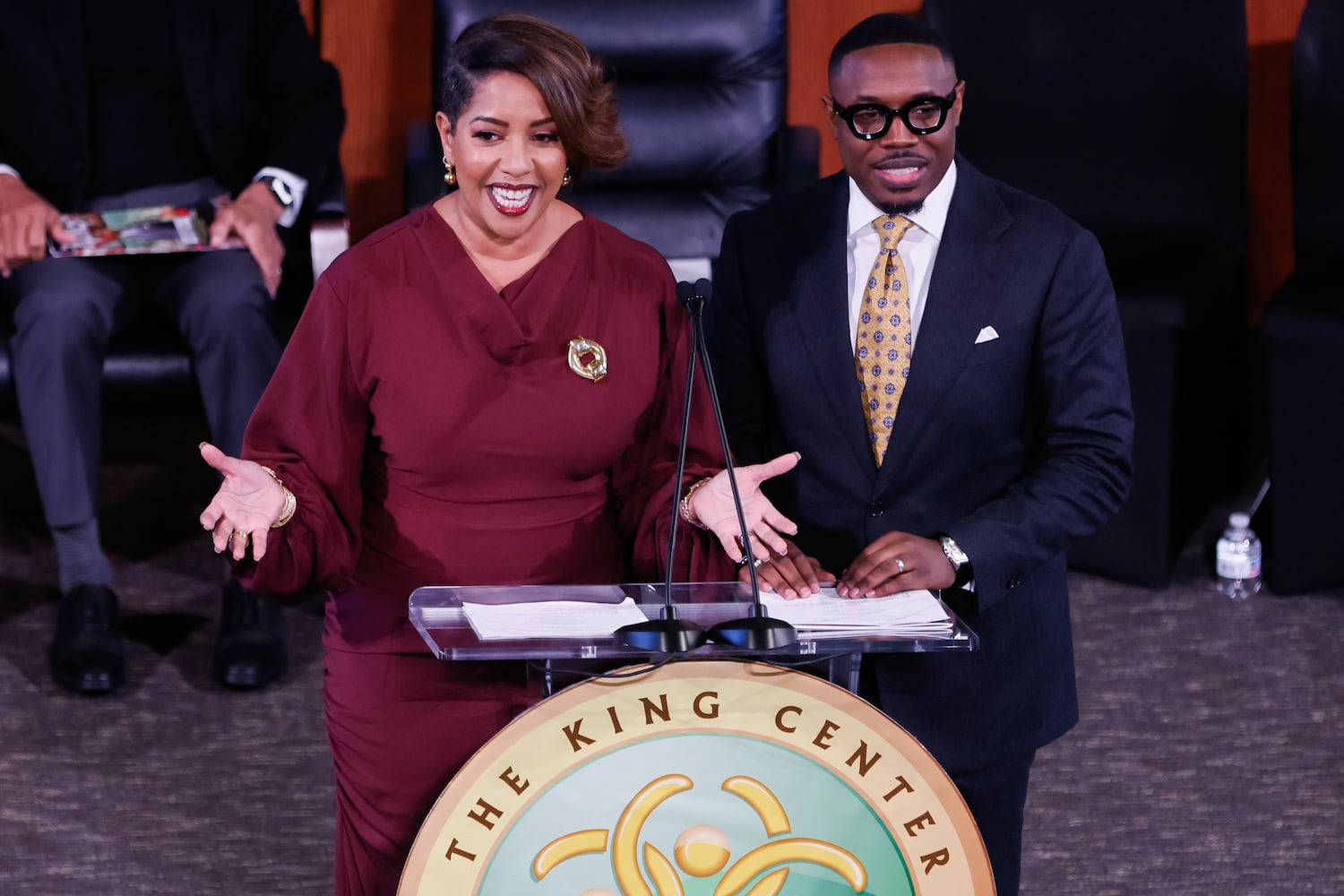
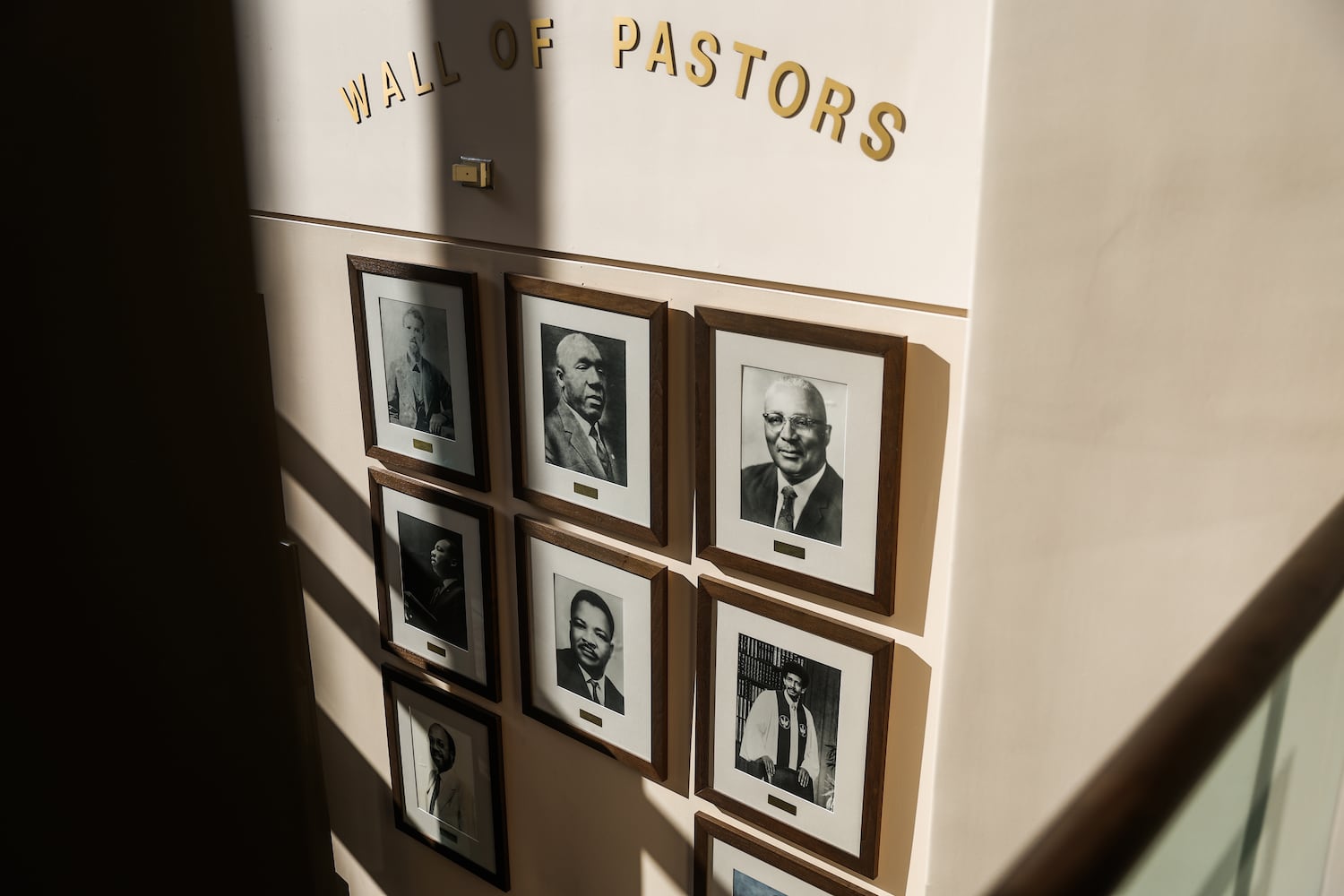
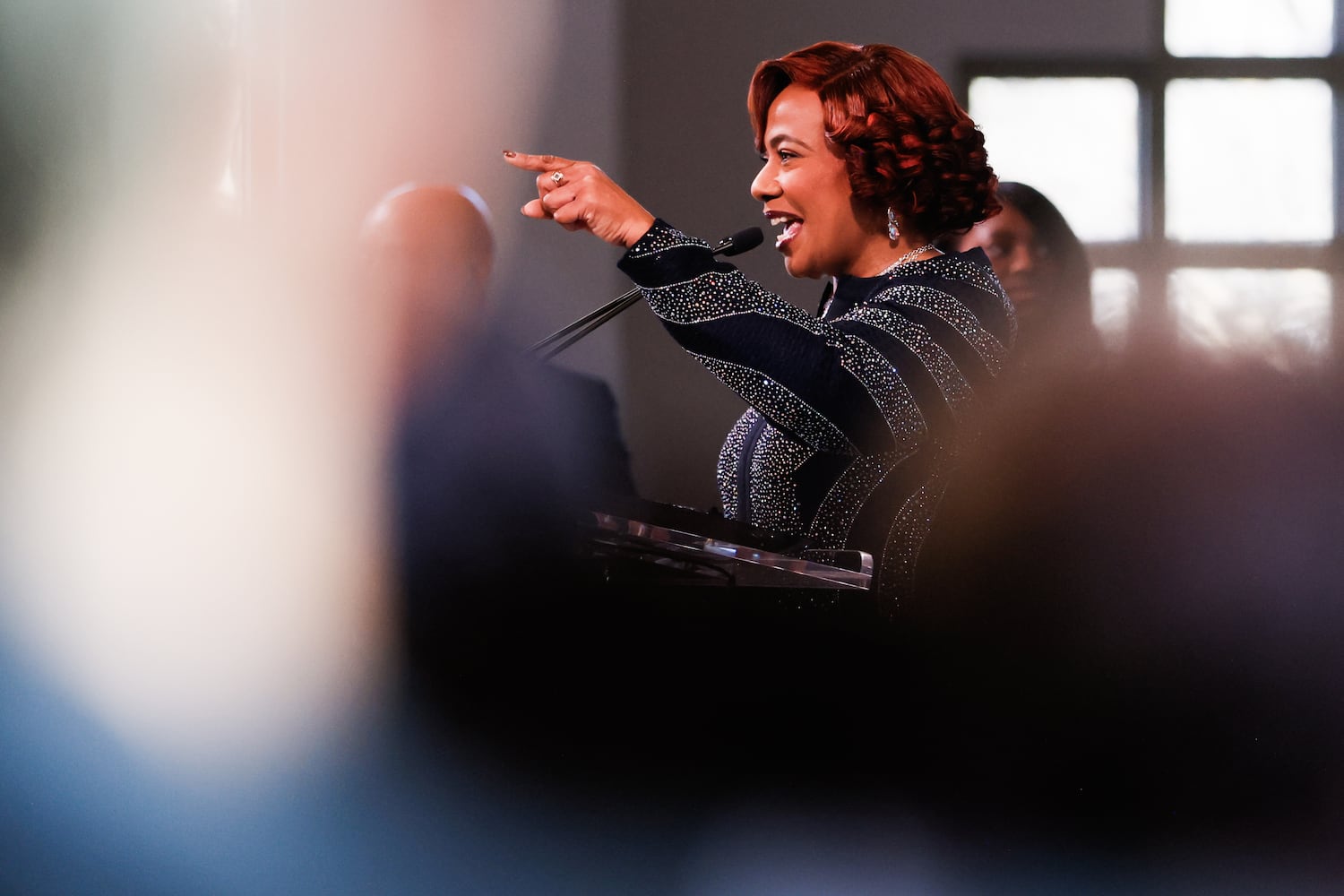
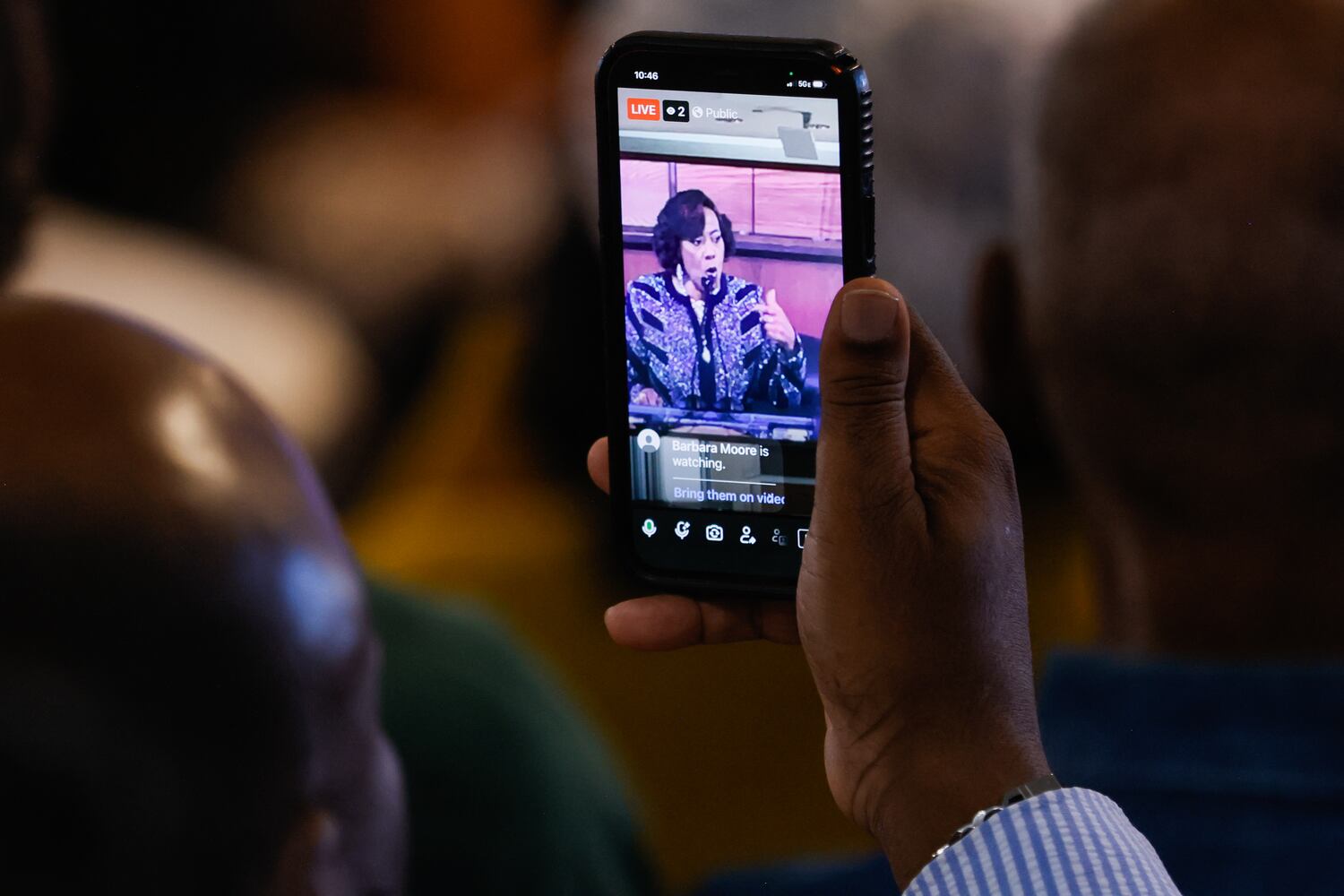
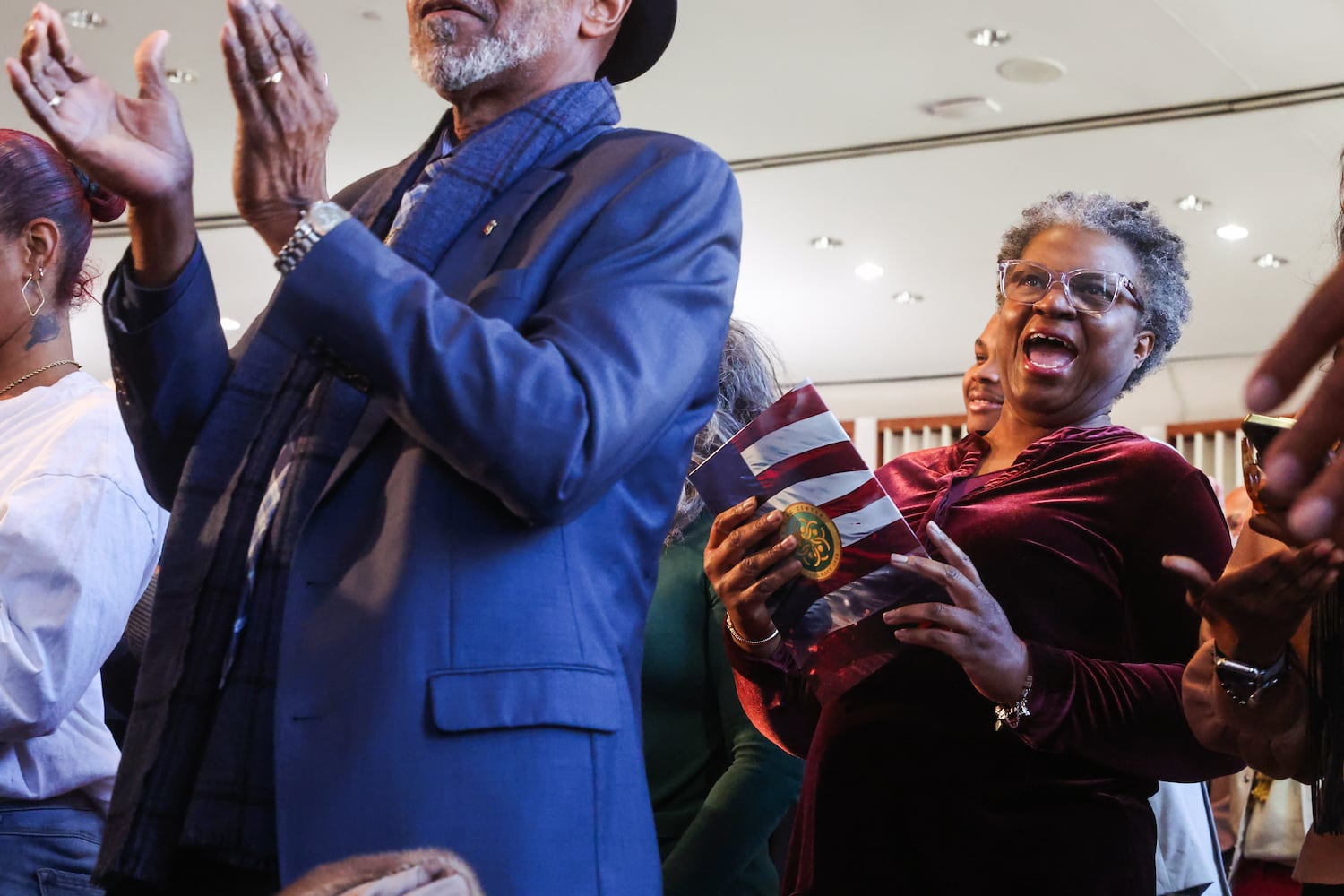
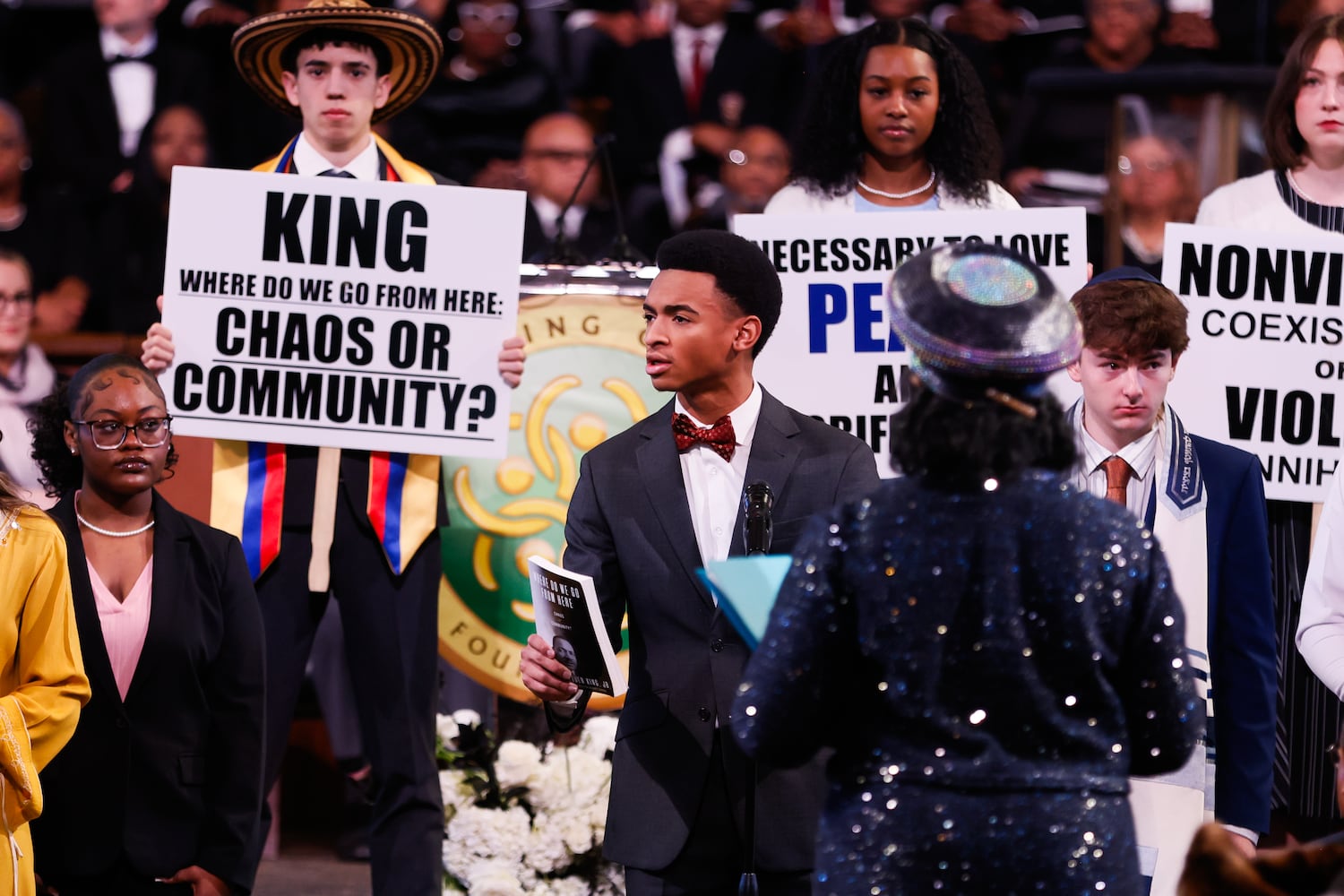
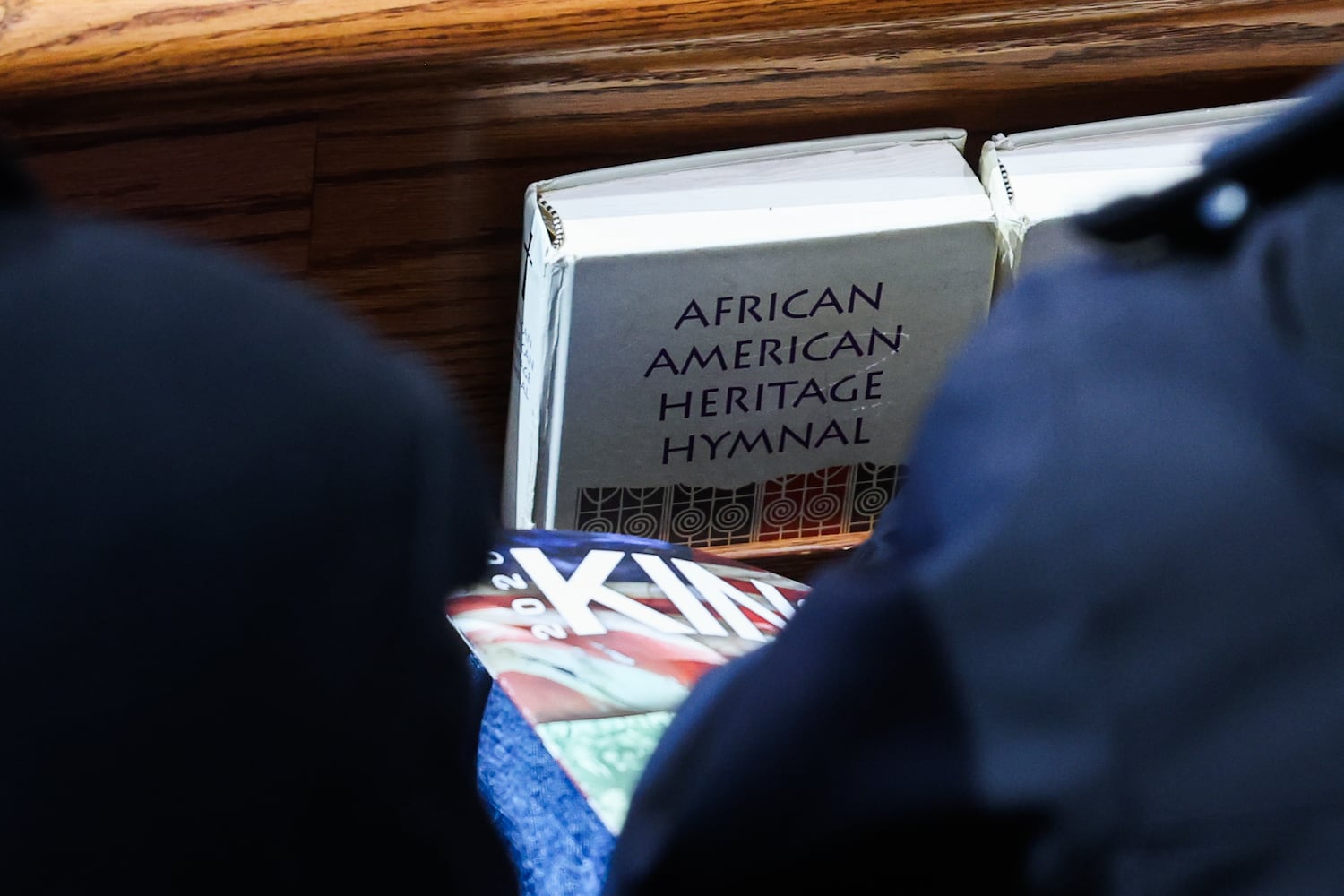
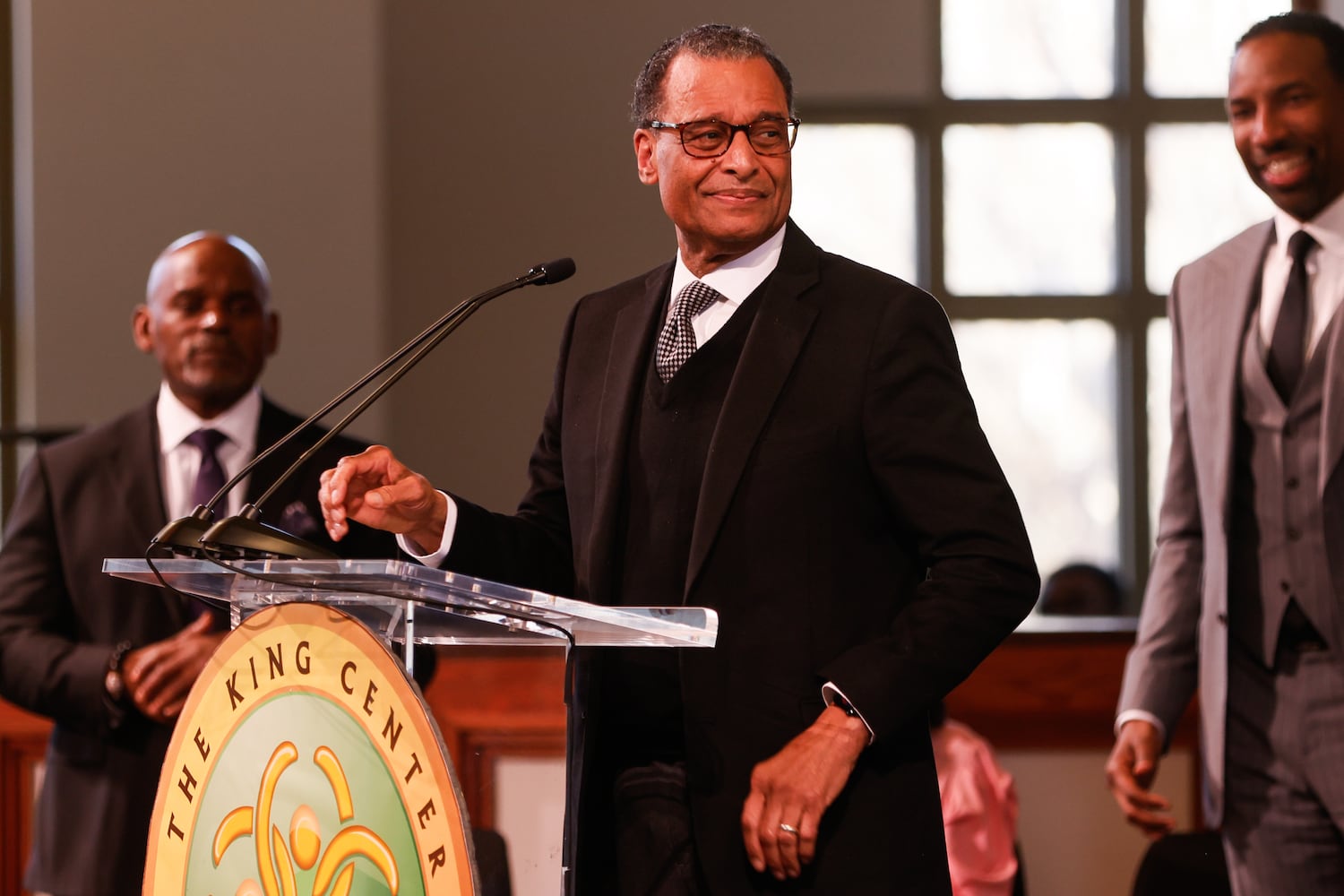
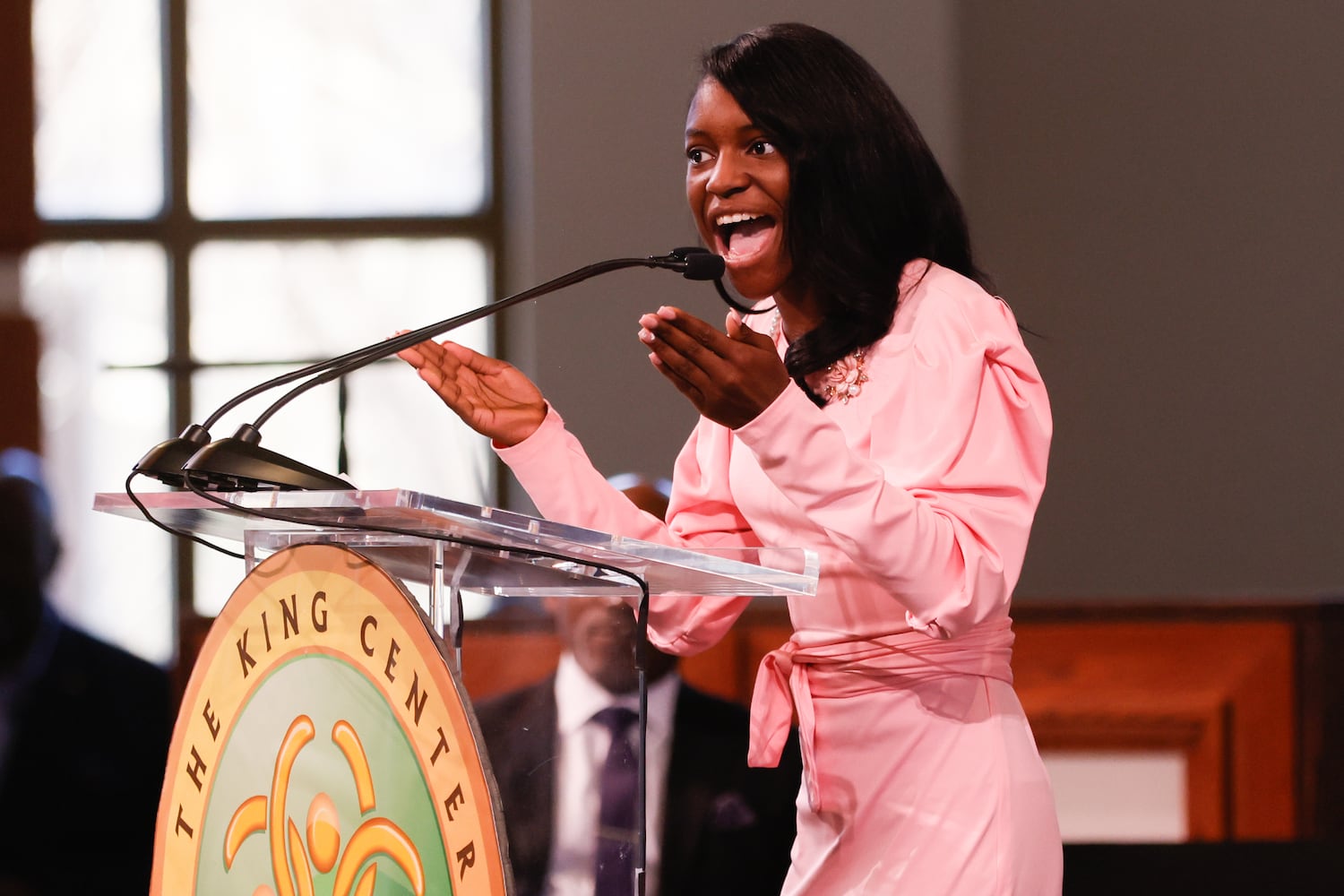
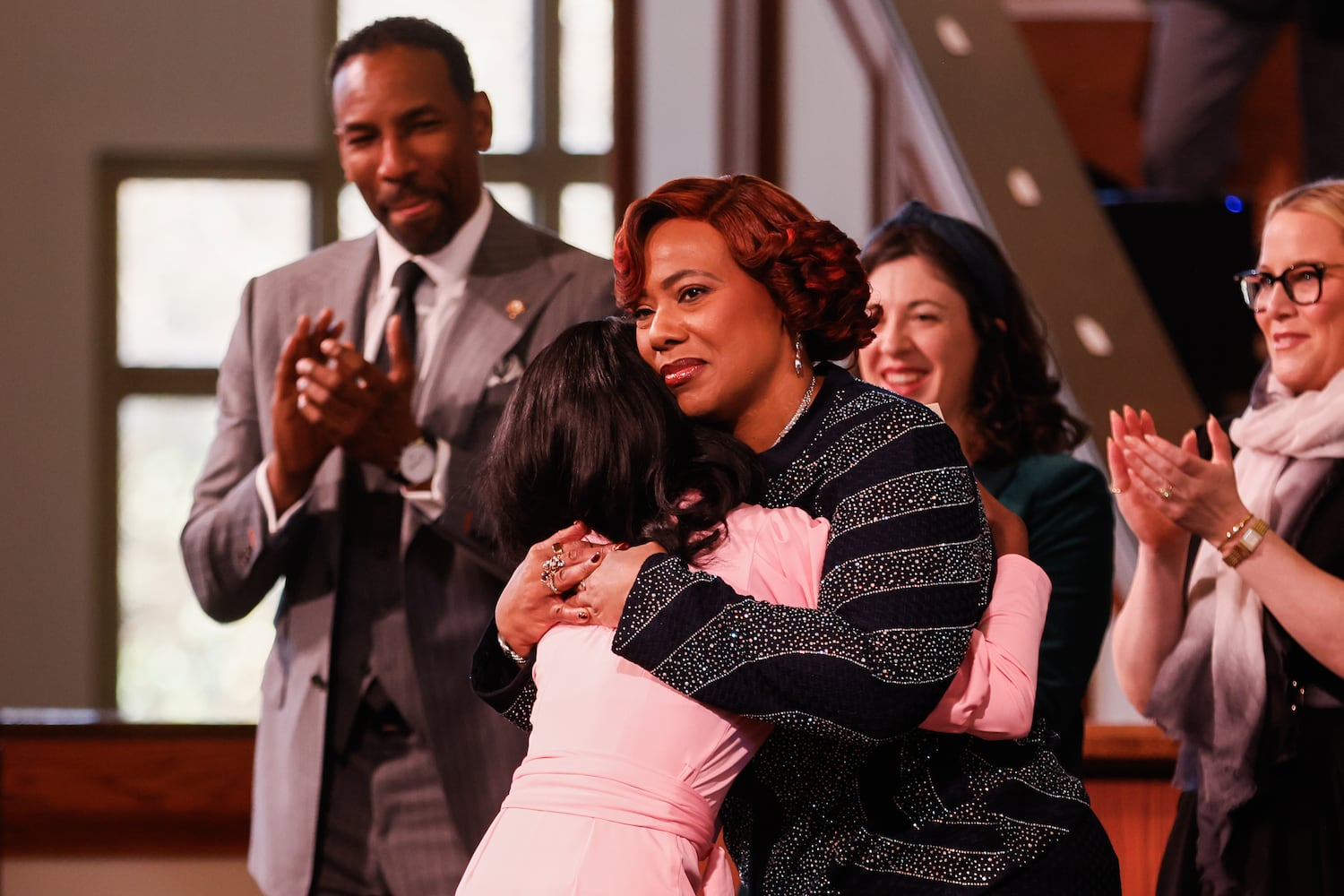
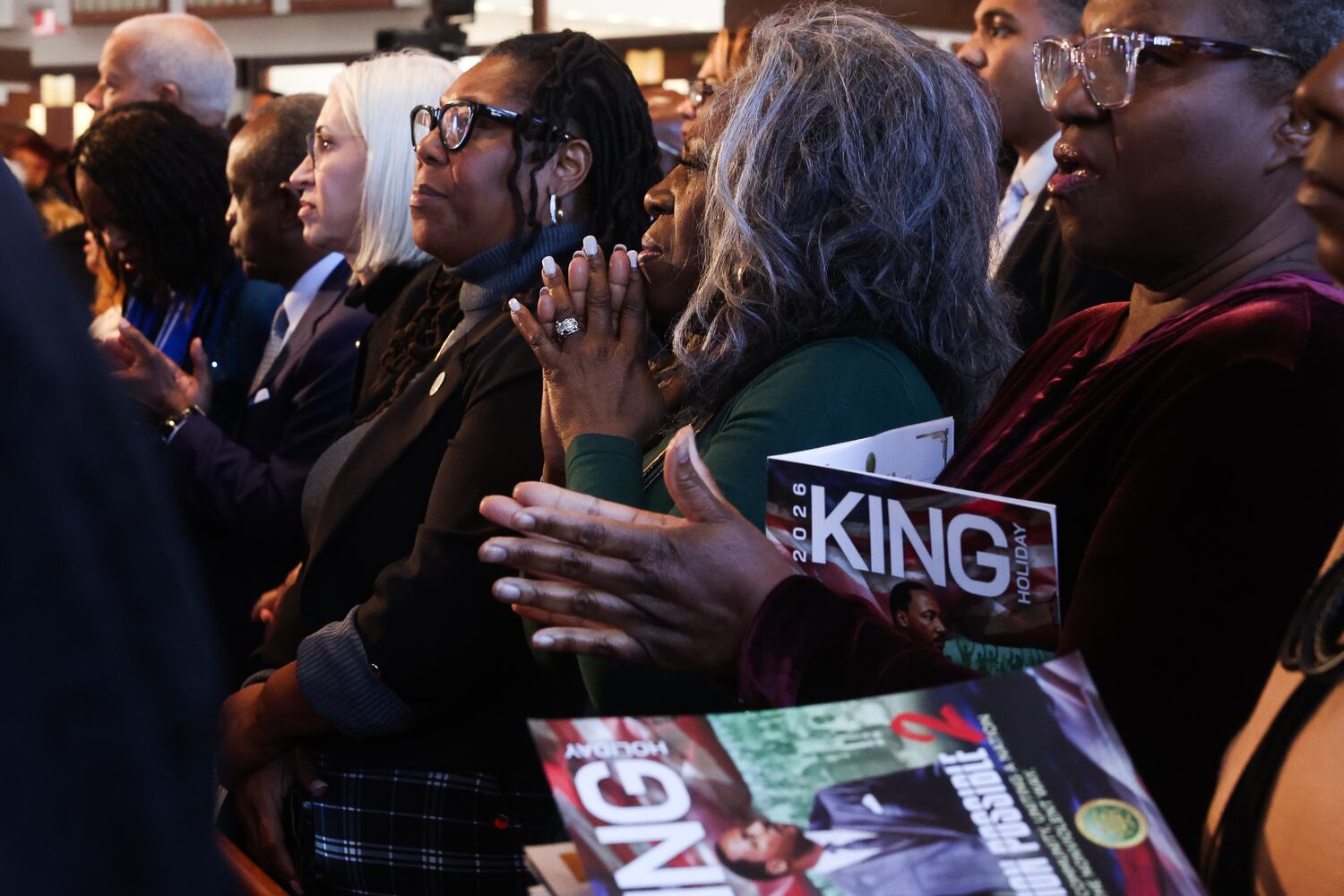
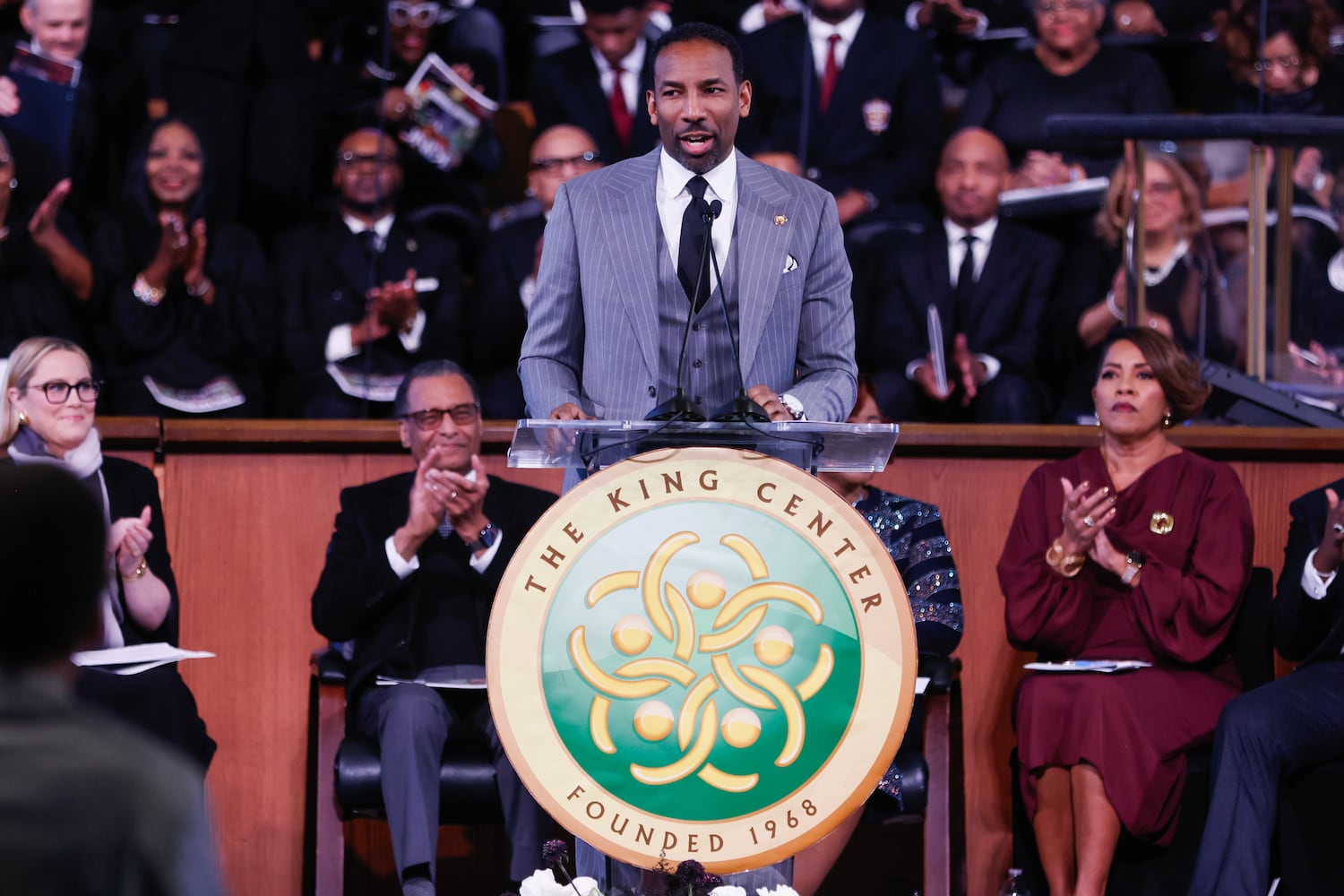
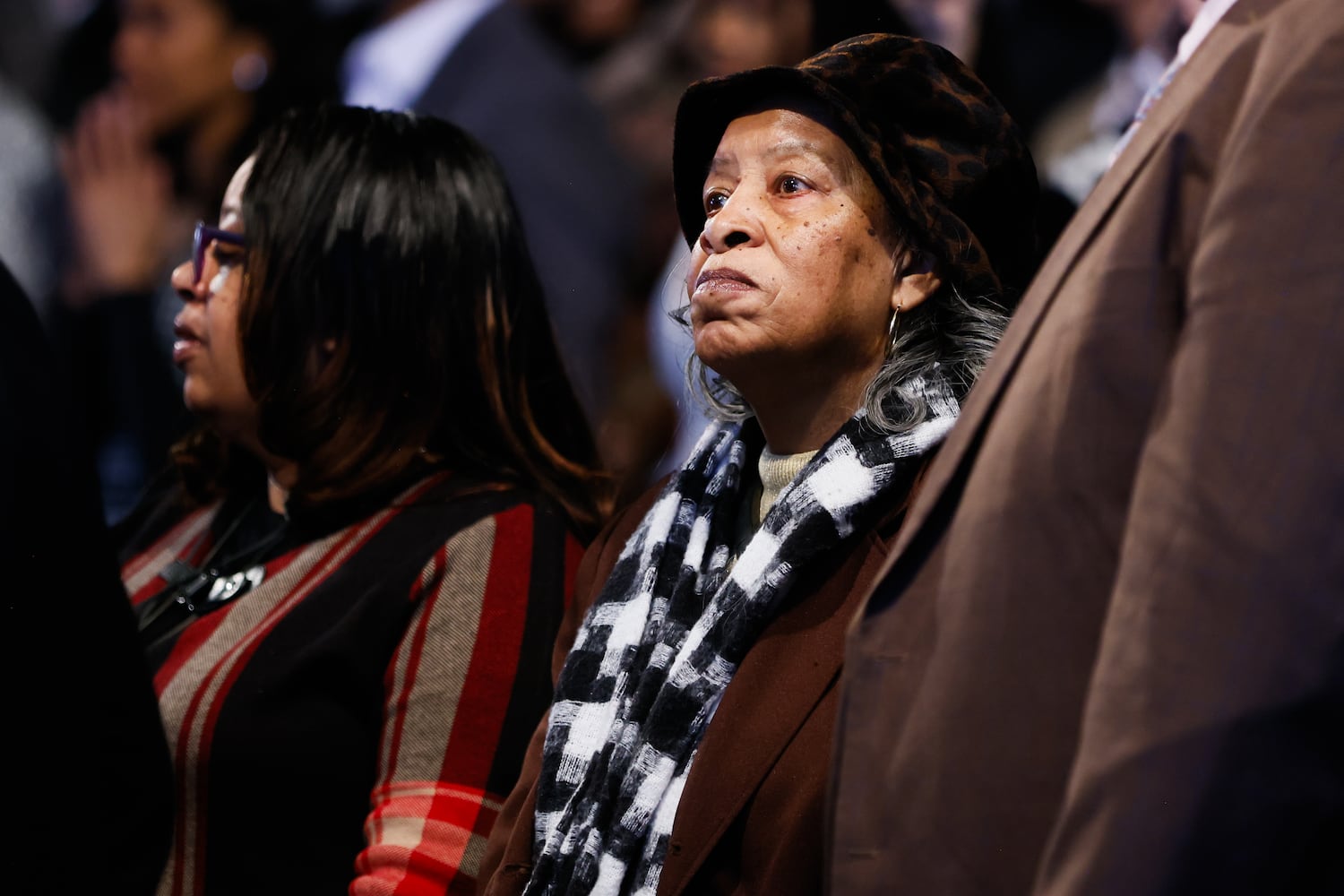
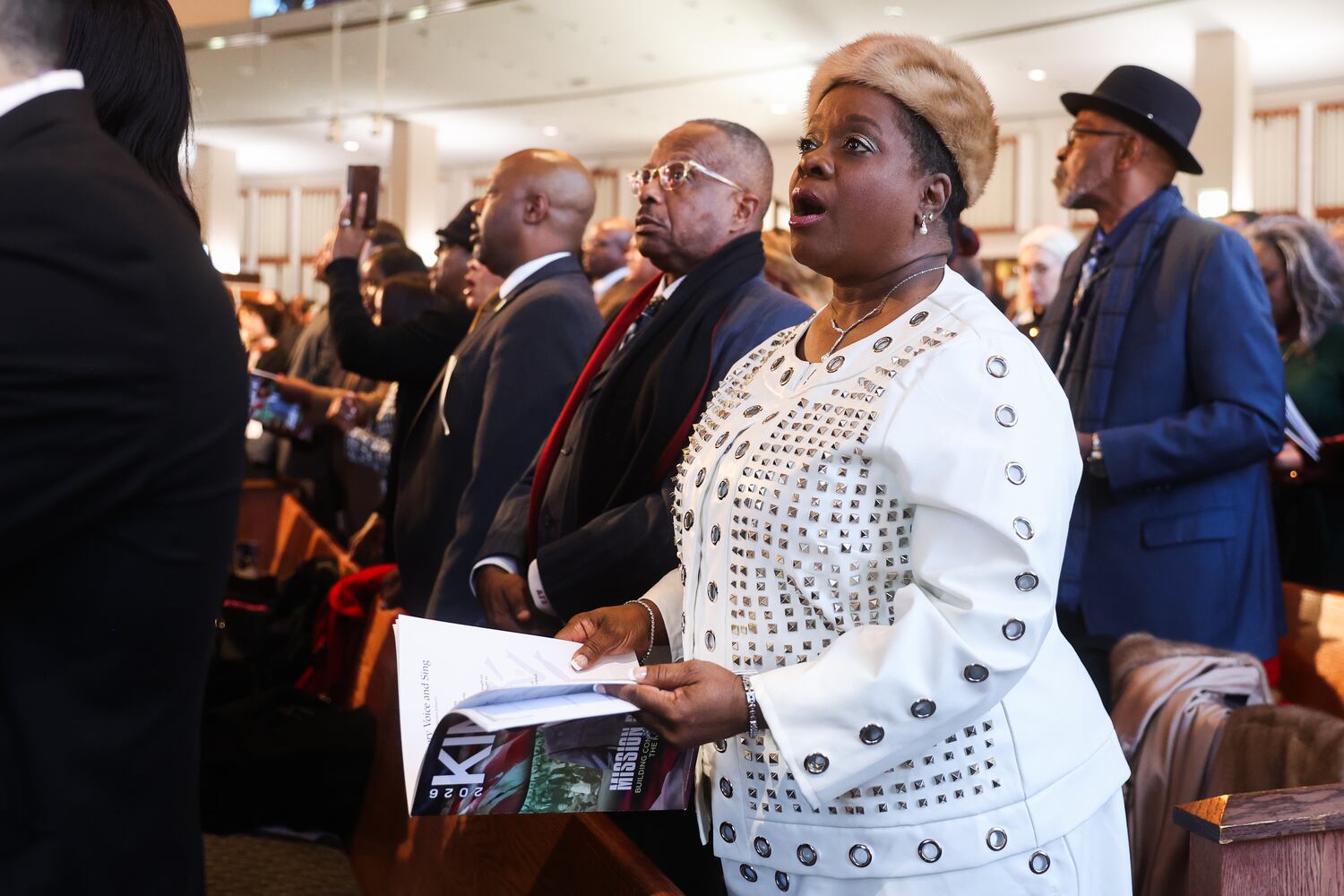
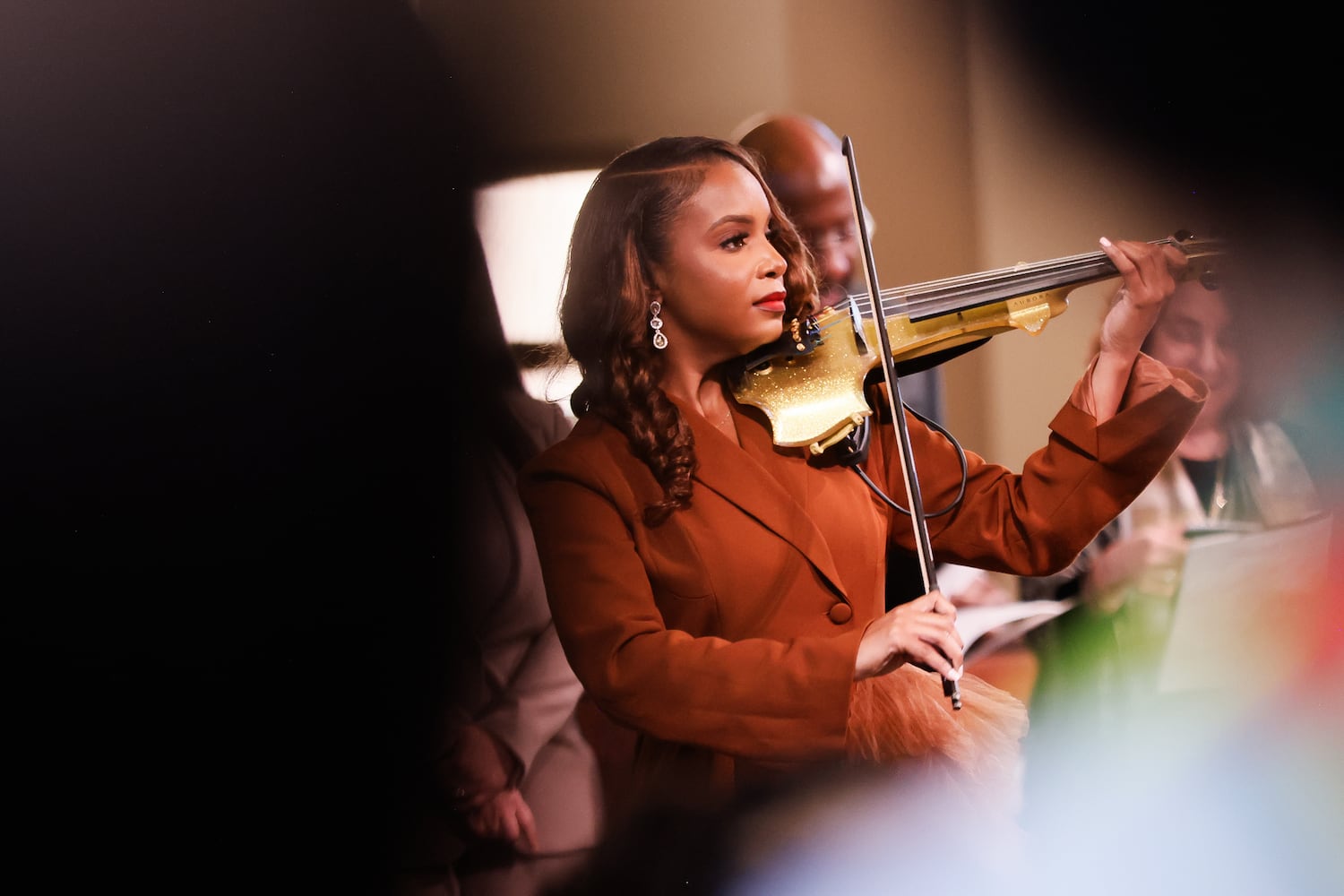
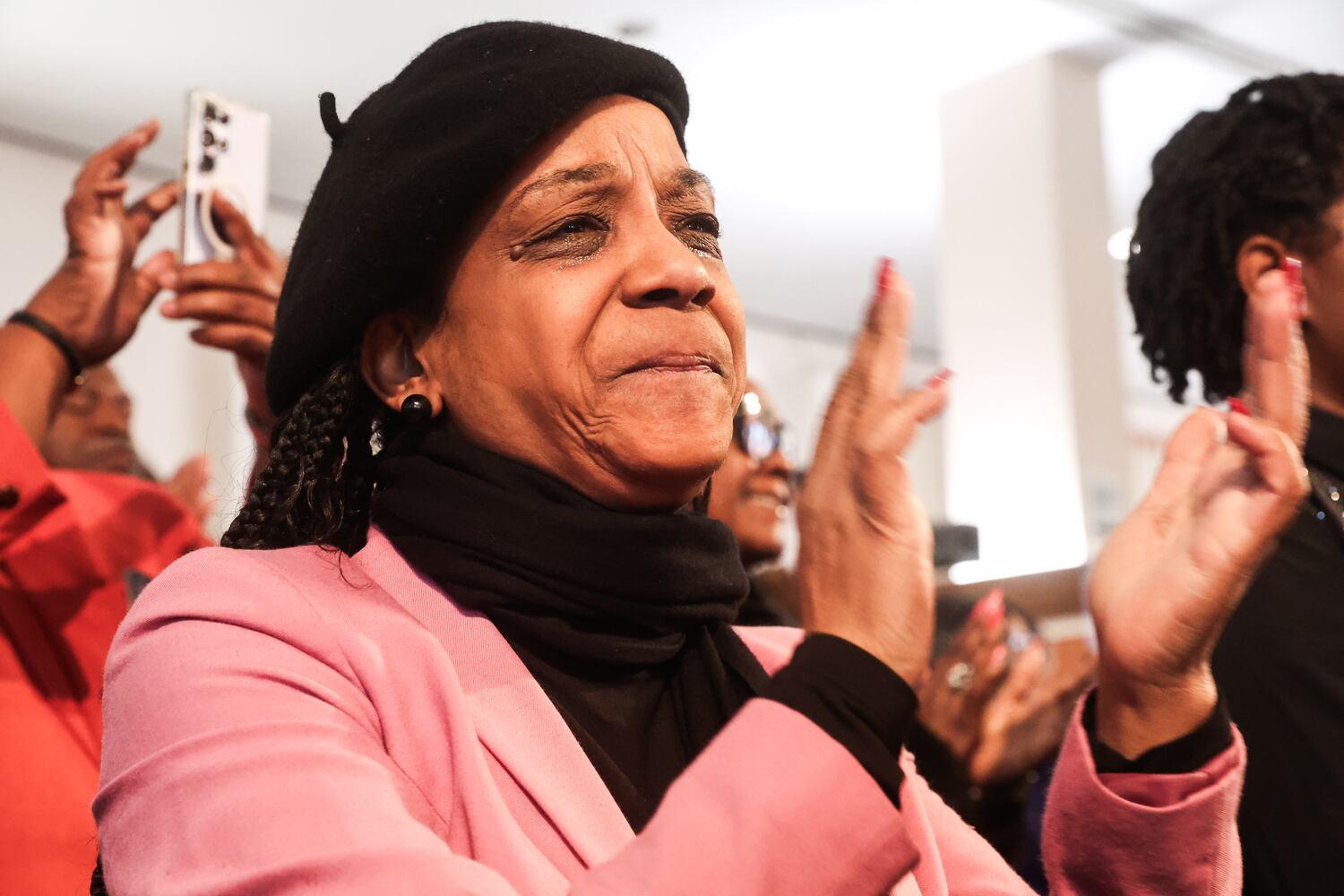
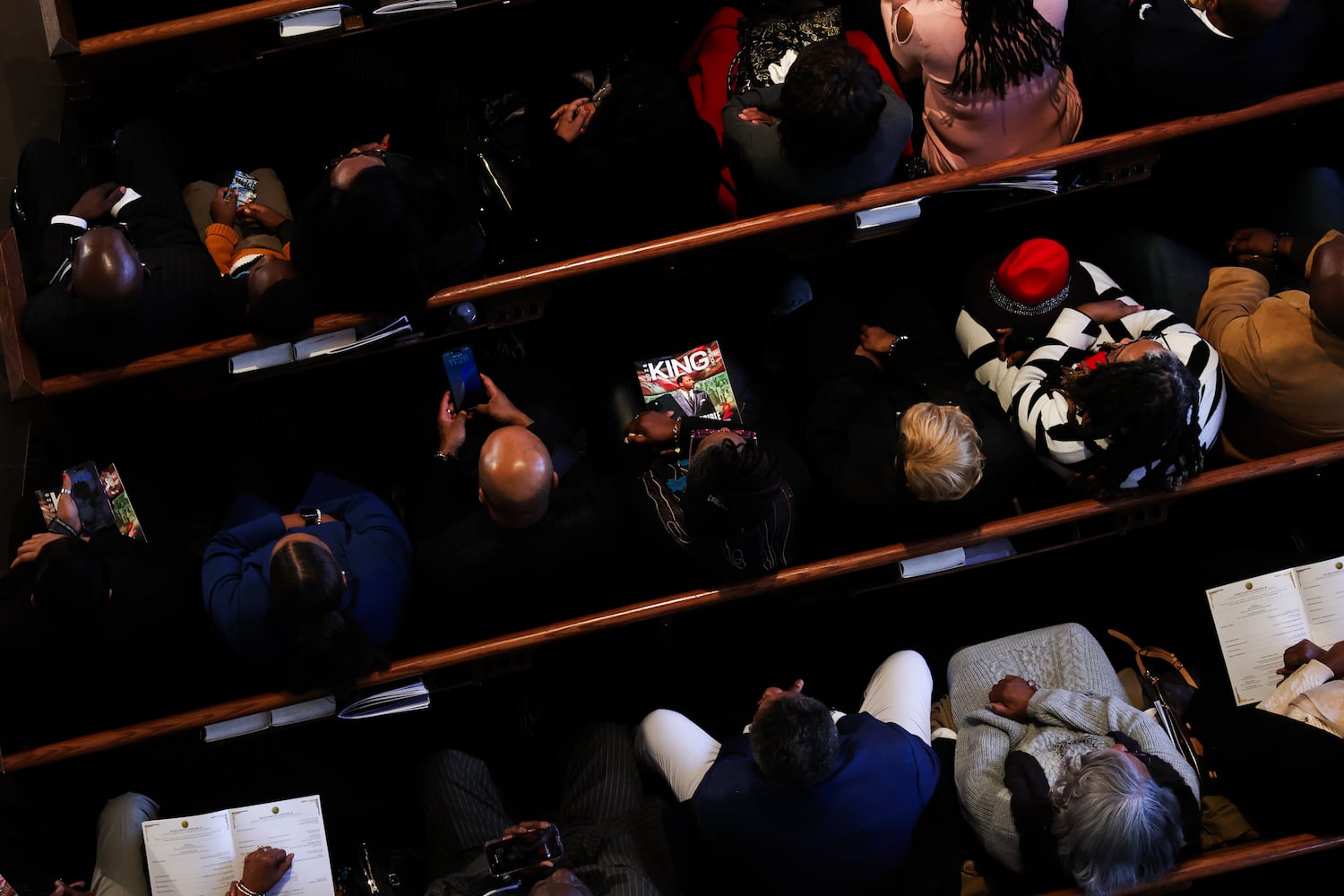
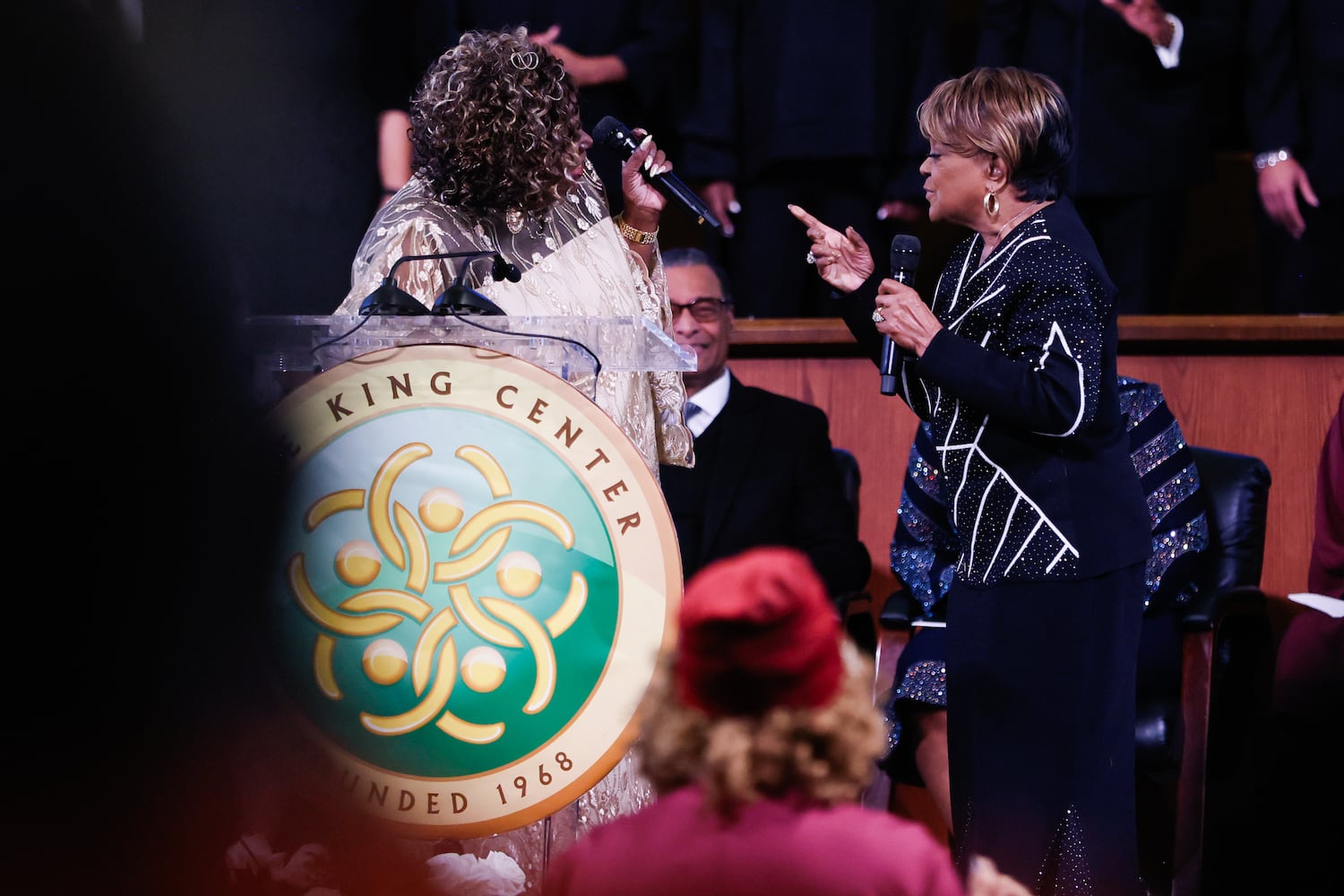
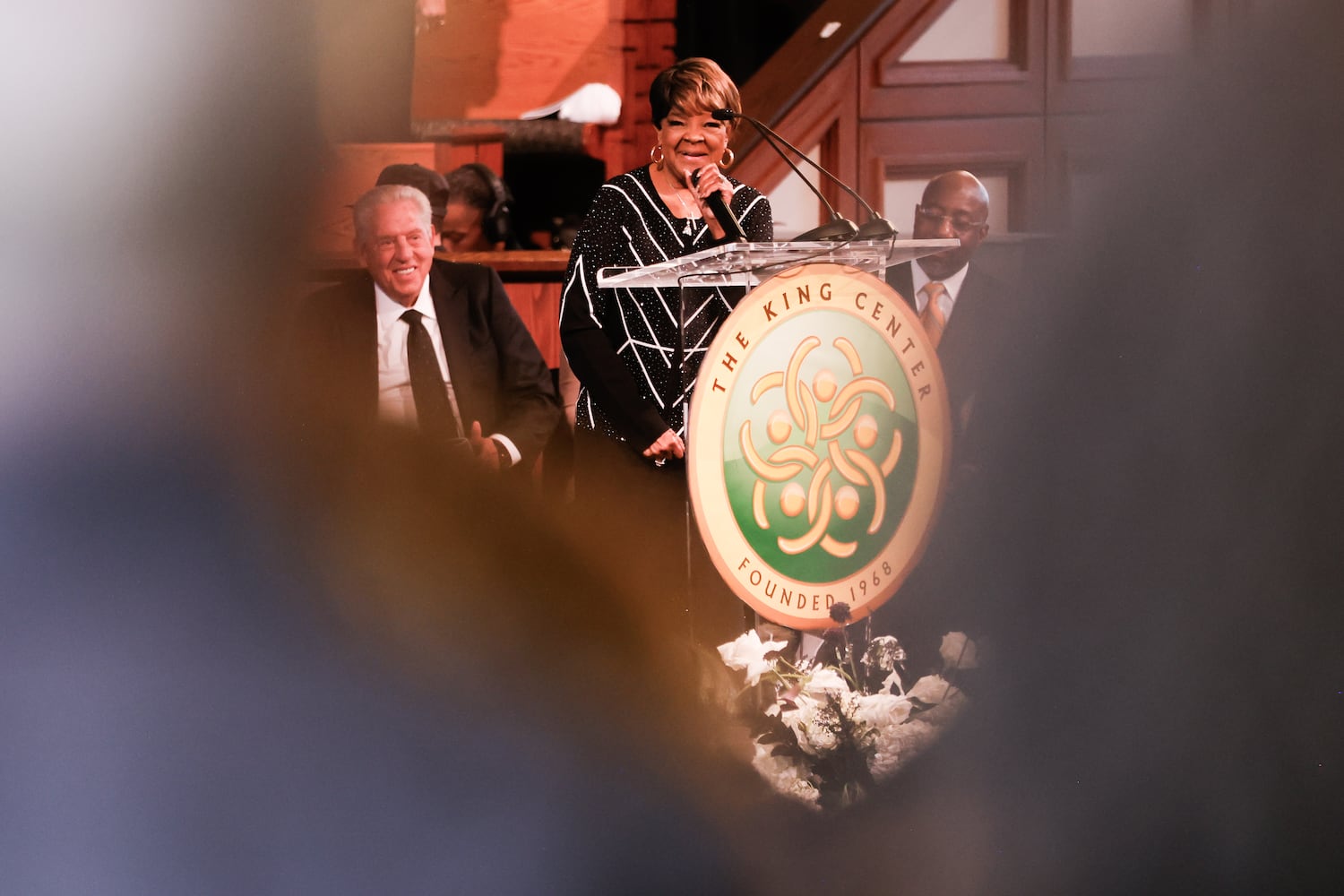
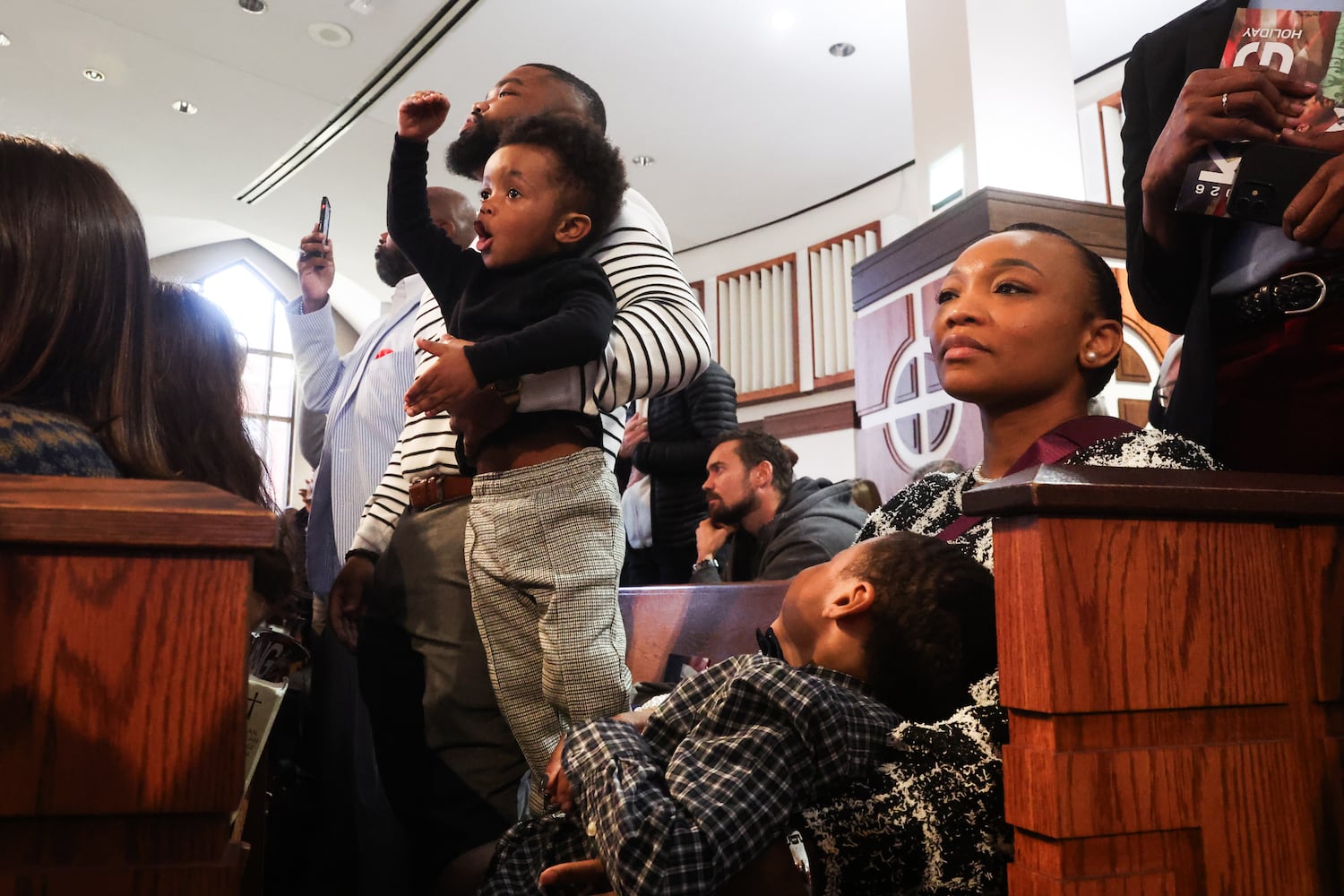
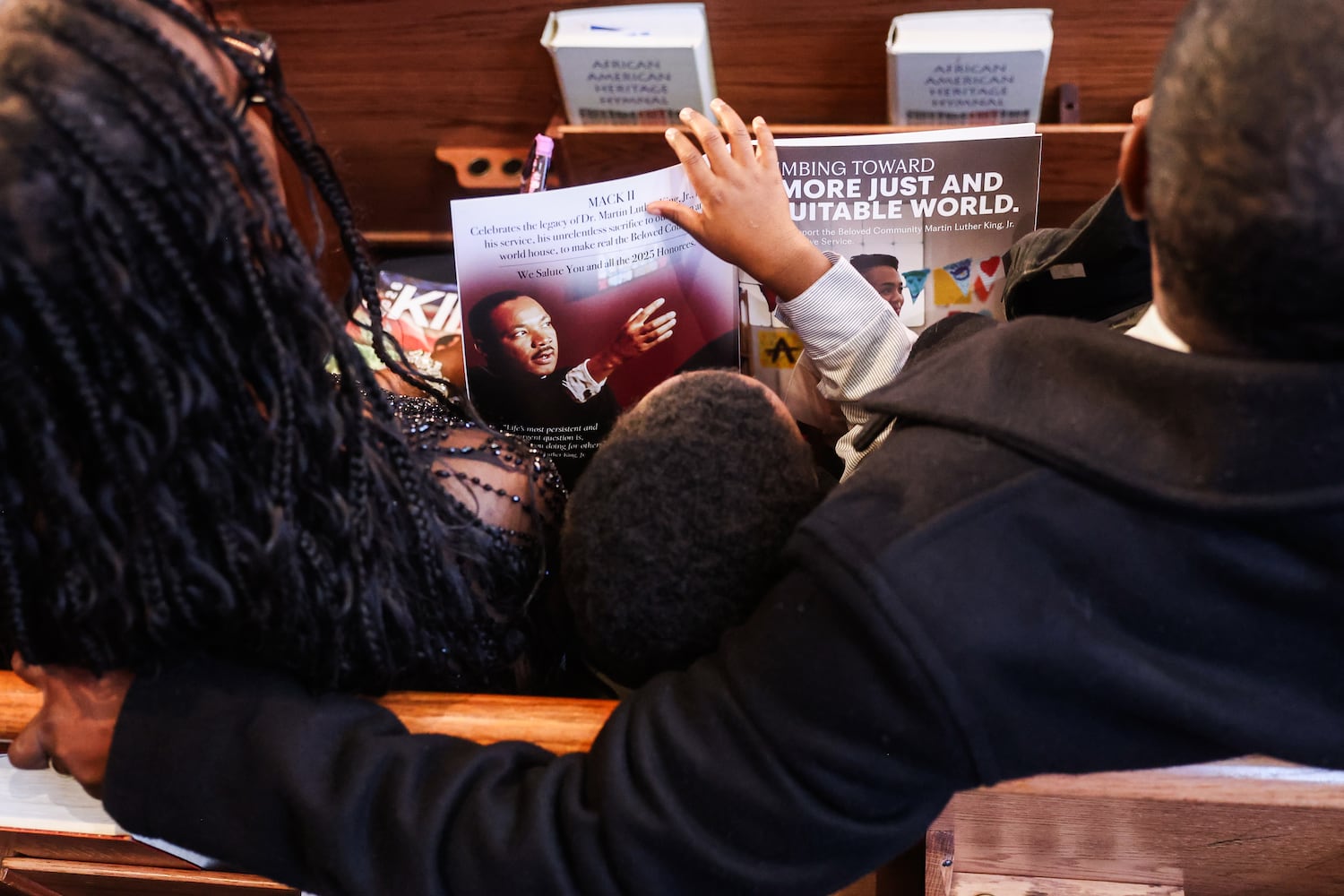
Speakers at the 2026 celebration of Martin Luther King Jr. Day on Jan. 19 at Ebenezer Baptist Church in Atlanta’s Sweet Auburn neighborhood — the congregation King and his father, “Daddy King,” once co-pastored — pounced on the president’s reinterpretation.
They included Bernice King, MLK’s youngest daughter and CEO of the King Center, and Georgia Democratic U.S. Sen. Raphael Warnock, who is now senior pastor of the church King once led.
“The recent claim by President Trump that the 1964 Civil Rights Act harmed white Americans is just wrong and it’s dangerous. It re-writes history in a way that fuels fear and resentment,” Bernice King said.
Warnock warned against the erosion of civil rights by means of aggressive enforcement by Immigration and Customs Enforcement that has ensnared some U.S. citizens and allowed for the profiling of people based on their race or ethnicity.
“Do not feel sorry for immigrant communities as if this does not touch you,” the senator said. “If they can stop you and ask you to prove that you belong, all of us are in peril.”






In the years between Trump’s first and second terms, Republican-run state legislatures, including Georgia’s, passed laws signed by governors banning “divisive concepts,” limiting what public school students could learn about race and gender in history because it might make people uncomfortable and unleashed a wave of banning books from school libraries.
Rather than reflect upon history to learn from it, the idea was to censor or diminish it so students would never have to think about it.
Moreover, on Jan. 22, the National Park Service removed an exhibit on slavery at Independence Historic National Park in Philadelphia, in response to Trump’s executive orders.
No wonder so many young people are disconnected from the history of overcoming Jim Crow’s impact, as described in a story published by Axios on MLK Day titled “The Civil Rights era is losing its grip on young Americans.”
The dearth of civics lessons, the passing of the old guard of civil rights leaders and the rise in influencers, social media and campus protests affected young people’s perception of and disillusioned them about the Civil Rights Movement of the 1960s.
Visit a museum and connect with history
When I attended the MLK Day event at Ebenezer Baptist, it became the first time I celebrated the venerated civil rights leader’s birthday in his hometown of Atlanta, which felt like a rite of passage for a newcomer looking to understand his new community.
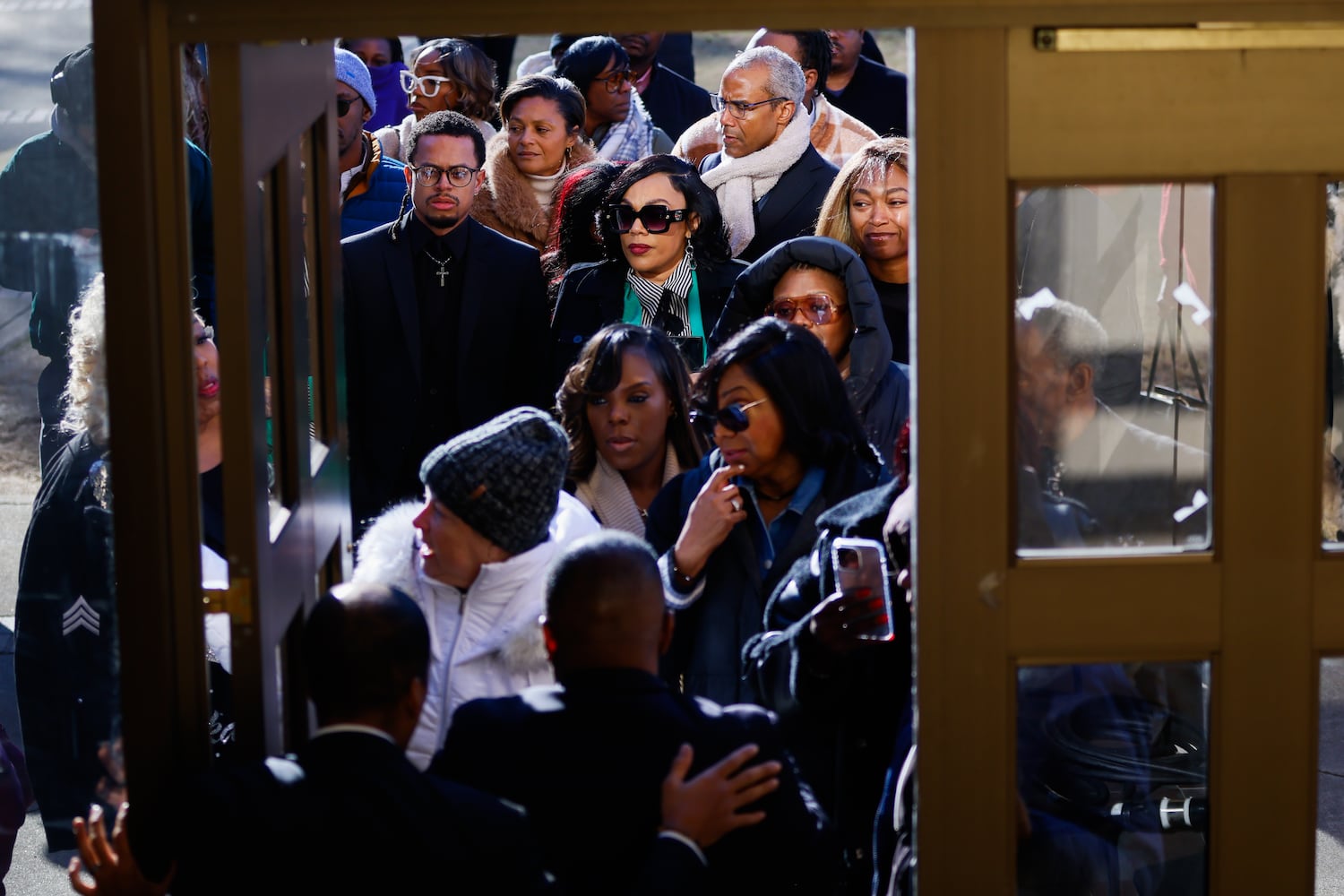
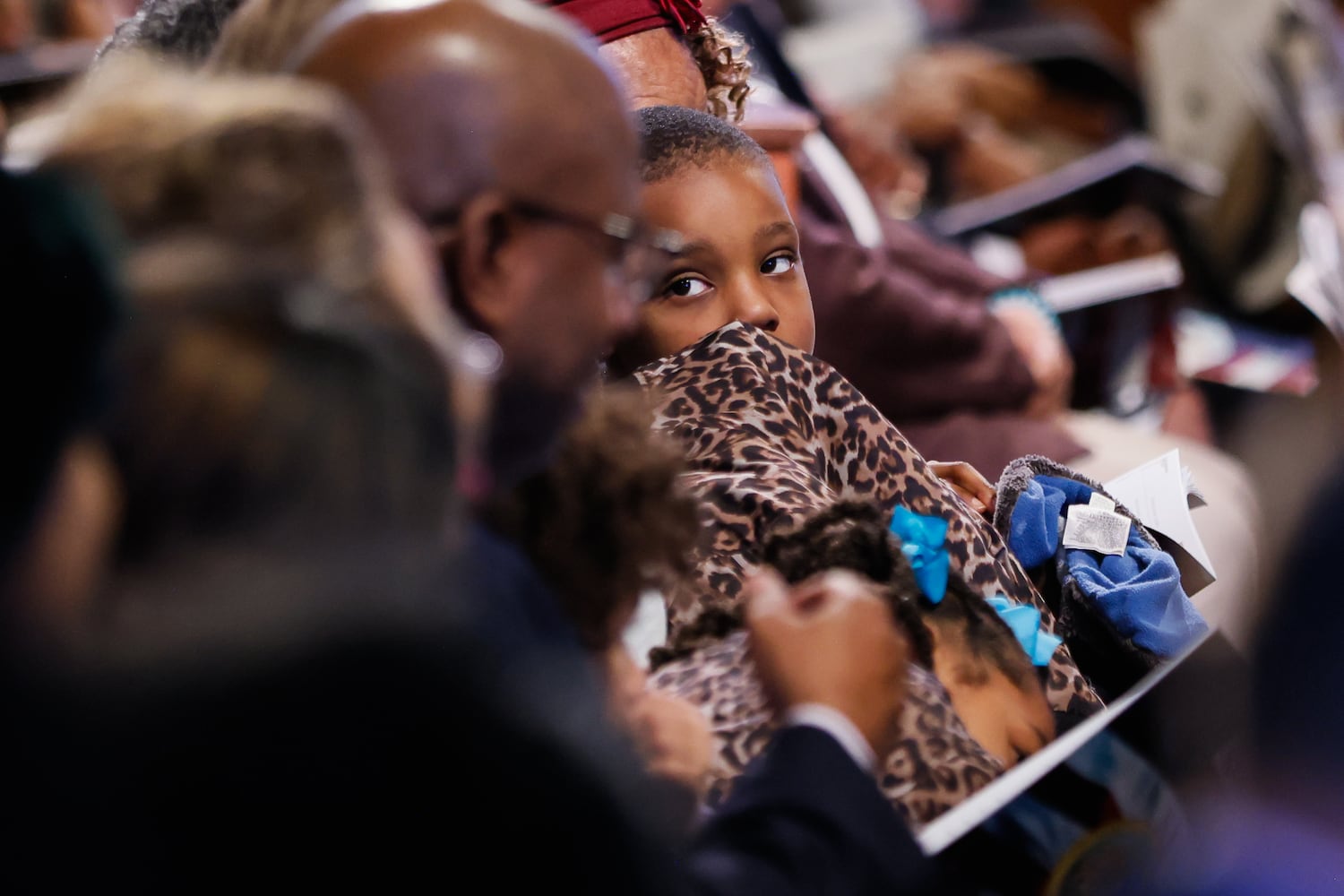
Atlanta is the cradle of the Civil Rights Movement, and I was encouraged to see so many young people there. The packed house at Ebenezer at this sacred place was full of people who were of all ages, of diverse races and of different faiths to affirm King’s message of a “beloved community.”
Later that day, I attended an MLK Day event at the Atlanta History Center in Buckhead that was filled with children and families.
As I reflected on that day, I thought about the importance of institutions like the church and the museum to act as essential places of civic engagement, connection and learning about the complicated history of our nation — especially if schools can’t or won’t do it.
I remembered similar feelings of somberness, gravity and curiosity I experienced while visiting the National Center for Civil and Human Rights in Atlanta, the National Civil Rights Museum at the Lorraine Motel in Memphis, Tennessee, the Legacy Museum in Montgomery, Alabama, and the Holocaust Museum in Washington, D.C.

Credit: Nedra Rhone
Credit: Nedra Rhone
These are places that invite visitors to reflect, connect and also weep about enslavement, mass incarceration, lynching and genocide with the charge to act and to do better.
“Understanding our history helps citizens to make better decisions and to avoid repeating past horrors. This makes us better humans,” I wrote in a 2022 column for The Tennessean about my visits to the Legacy and Holocaust museums.
Yet, I am concerned that we are headed in a direction that takes us backward to a time when the law permitted — and encouraged — people to discriminate against others with impunity.
Bernice King is right that this is “wrong” and “dangerous,” and citizens could all use a history refresher.
Atlanta has come a long way since the days of Ivan Allen Jr. and Lester Maddox. The city’s first Black mayor, Maynard Jackson Jr., instituted the municipal program in the 1970s that opened economic opportunities to people who were previously denied them because of their race or gender.
Access to equal opportunities ensured fairness despite human prejudices.
That is why the Civil Rights Act of 1964 became pivotal to Atlanta and U.S. prosperity as well as America’s constitutional promise of creating a “more perfect union.”
David Plazas is the opinion editor of the AJC. Email him at david.plazas@ajc.com.
About the Author




Keep Reading

The Latest

Featured
