


The passing of Rev. Jesse Louis Jackson marks more than the loss of a towering civil rights leader. It marks the close of a defining chapter in American history — an era built in the streets, the sanctuaries and the ballot boxes of a nation struggling to become as good as its promise — authored by one of the preeminent and consequential Americans of the last century.
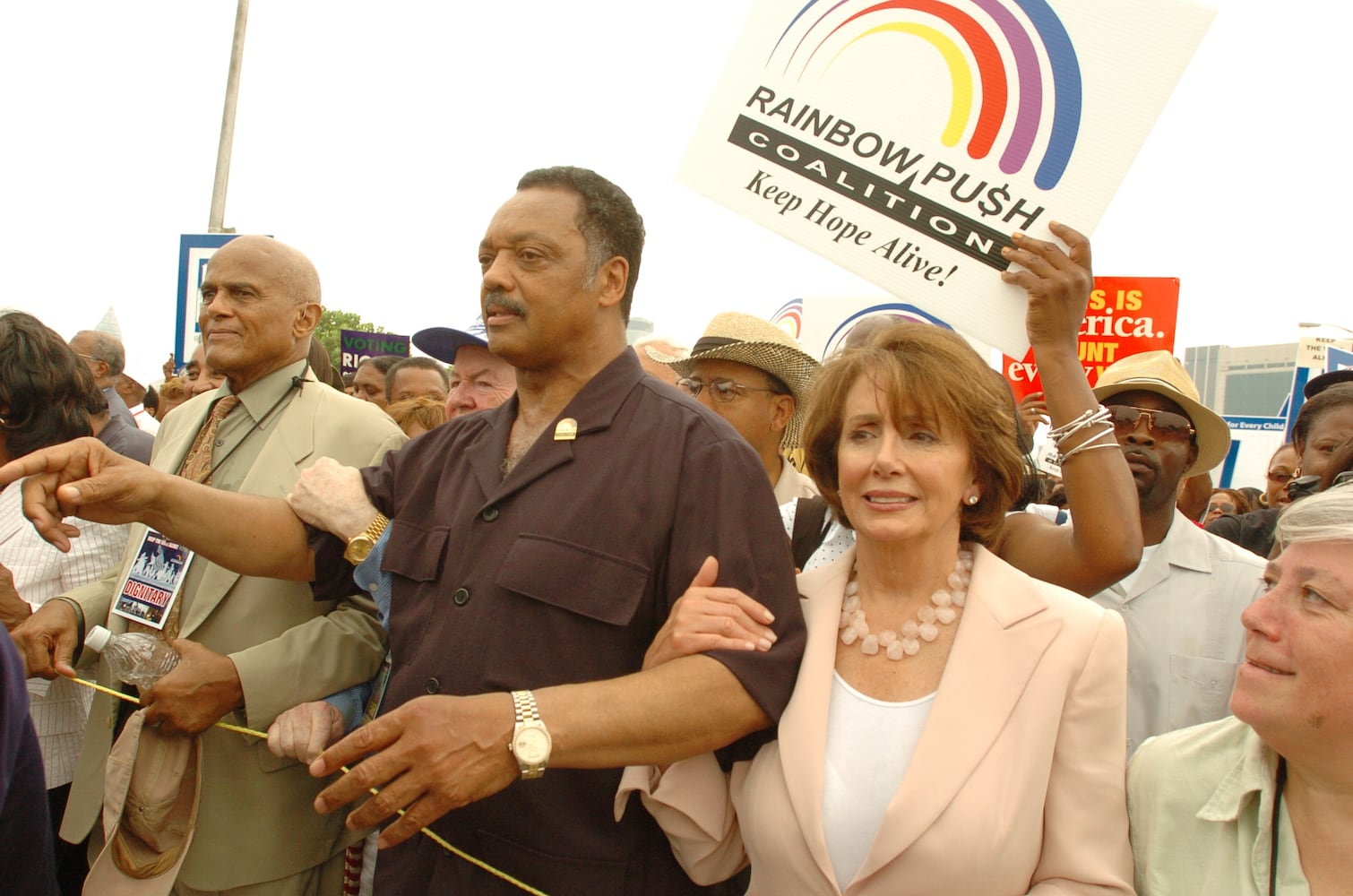
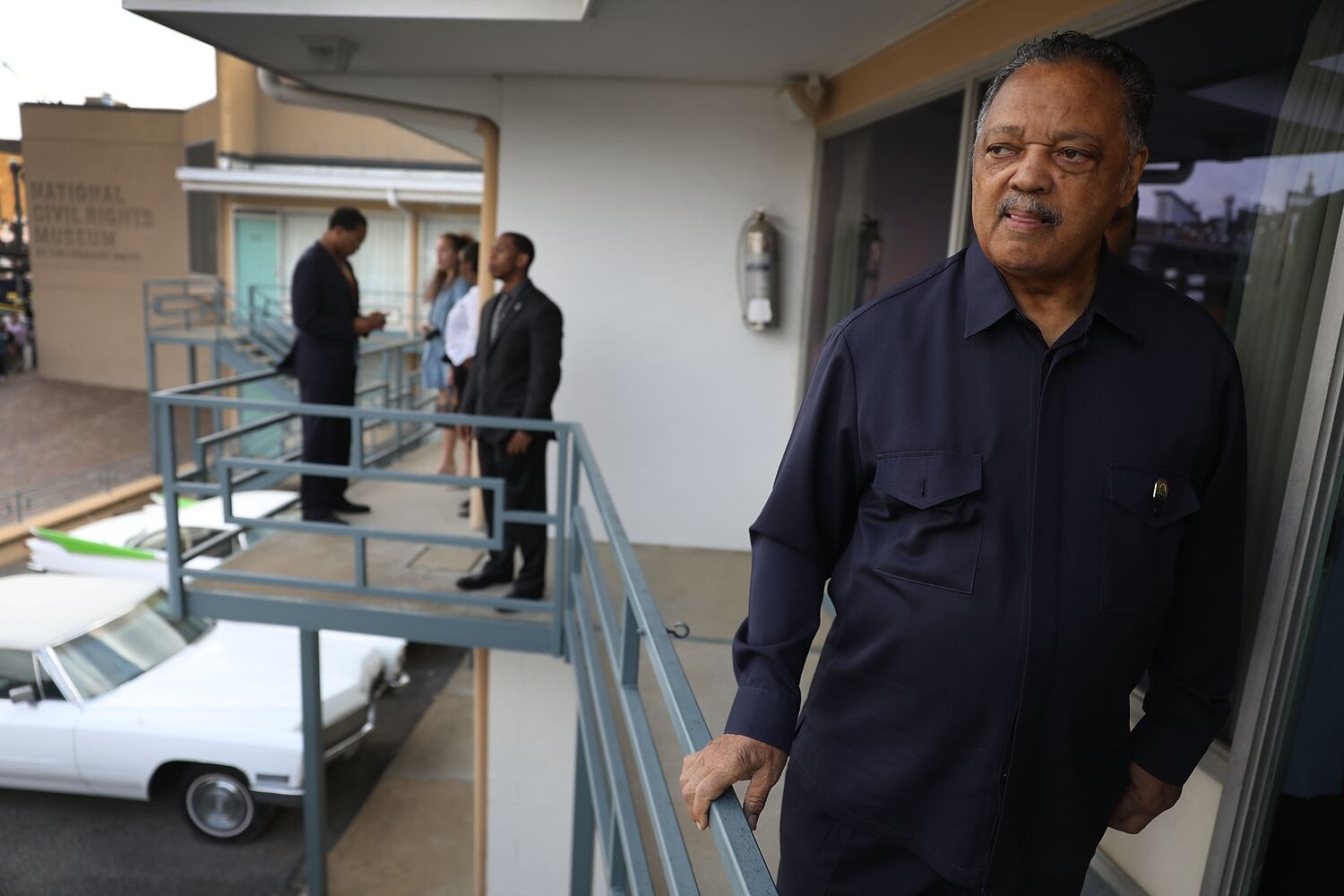
For over 60 years, Rev. Jackson stood at the intersection of faith and freedom. He was not merely a witness to the Civil Rights Movement; he was one of its chief architects and its most enduring voices. From marching alongside Dr. Martin Luther King Jr. to building the Rainbow PUSH Coalition, Jackson made it his life’s work to make democracy more expansive, inclusive and accountable.
His activism breathed life and hope into the post-King civil rights landscape and massively impacted the Democratic Party as well.
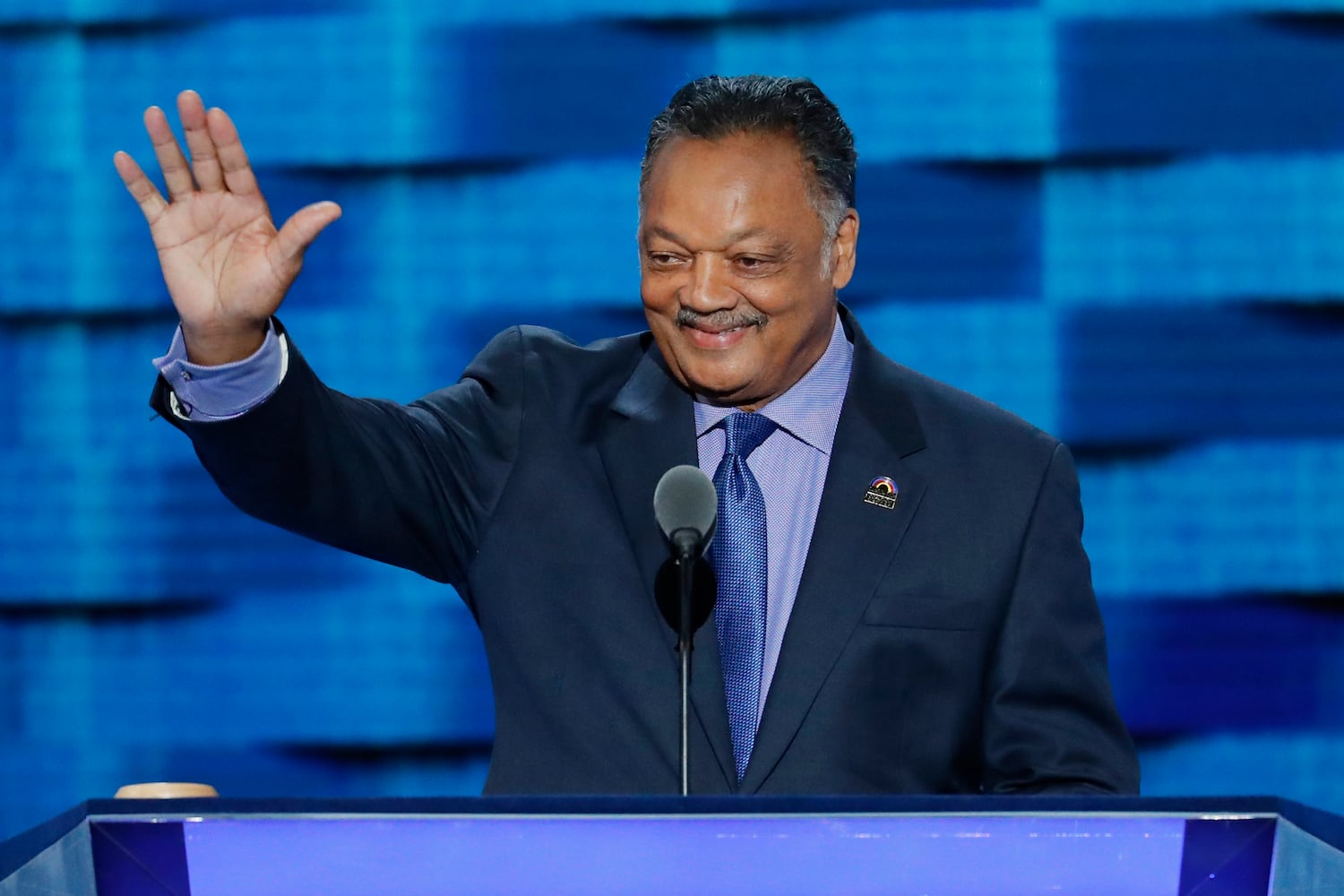
When Rev. Jackson ran for president in 1984 and again in 1988, he did more than make a credible run for the Oval Office. He opened the doors of political possibility for Black and brown aspirants. He expanded the Democratic electorate by registering and mobilizing Black voters, young people, working-class Americans, farmers, immigrants and those long pushed to the margins of the political process. He made the party confront its own conscience and challenged it to become a true coalition of the people — a rainbow coalition.
In doing so, he changed America. He demonstrated to those with little interest in electoral politics that participation is power and that the vote is the most nonviolent instrument of change available in a democracy. He registered millions of new voters, energized communities that had been politically dormant, and reframed what it meant to build a governing majority. Today, every candidate who speaks of multiracial coalitions and grassroots organizing is standing on the shoulders of Rev. Jackson.
In order to lead, you must show up

Credit: Handout
Credit: Handout
But for me, Rev. Jackson was more than a historic figure. He was a personal inspiration, a mentor, and a spiritual father. While so many kids grew up wanting to be like Michael Jordan, as a young boy I wanted to be like Jesse Jackson.
I met him at the precocious age of 11 when Rev. Jackson came to Baltimore to minister at my father’s church. I was in awe and hung on every word of his fiery sermon. I wore a “Jackson for President” button with pride, not fully understanding politics but fully recognizing purpose, passion, and personality.
I saw in him a preacher who refused to confine his ministry to the pulpit. He preached with his words and with his feet. He led with his courage. He inspired with his willingness to stand in uncomfortable spaces for the sake of justice.
Throughout my own ministry and activism, I have followed Rev. Jackson’s blueprint. He taught us that in order to lead, you had to show up, speak up, and stand up. He taught my generation of clergy that prophetic ministry requires public engagement. Faith that does not confront injustice is not faith at all — it is weak and performative.


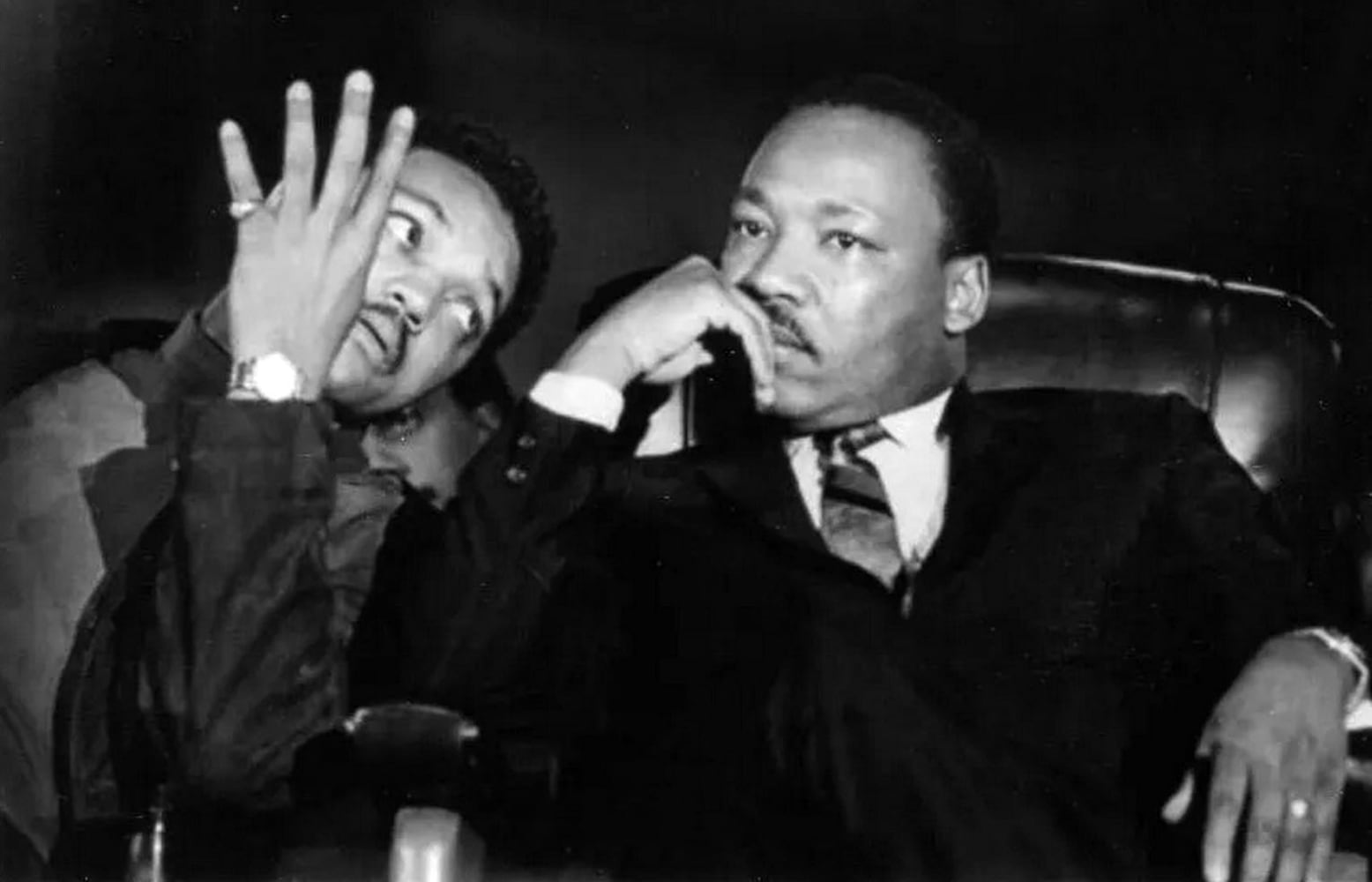
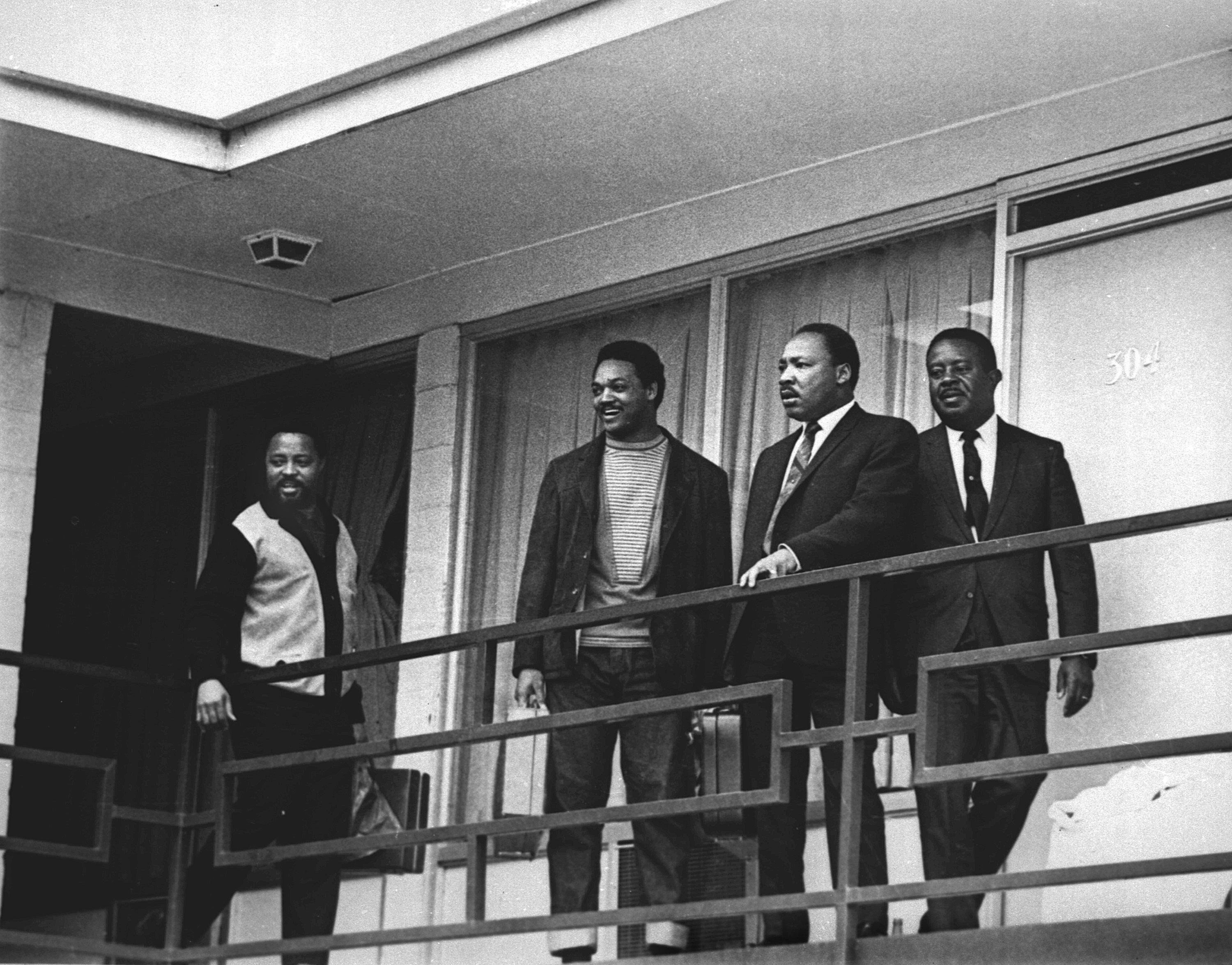
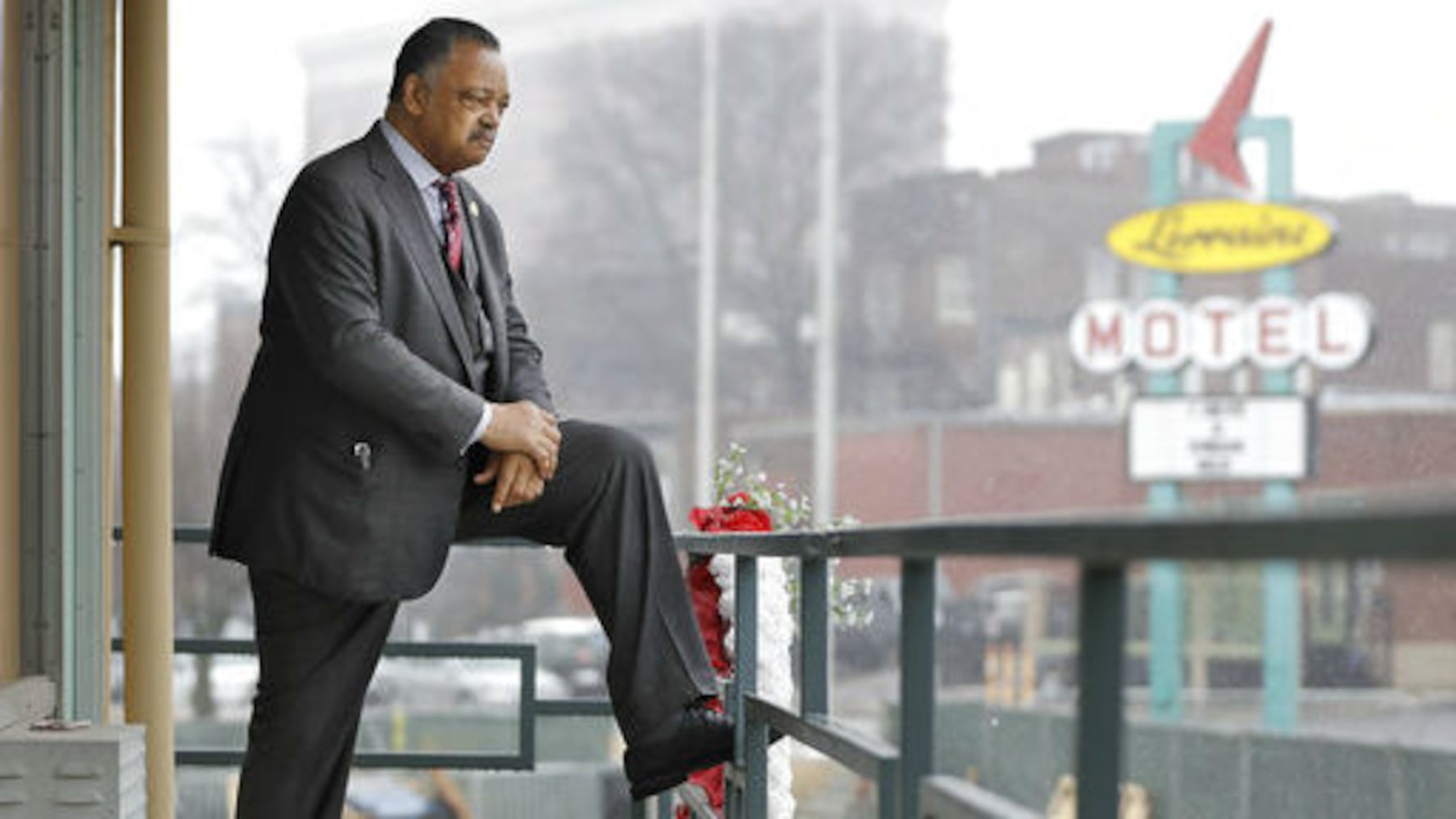


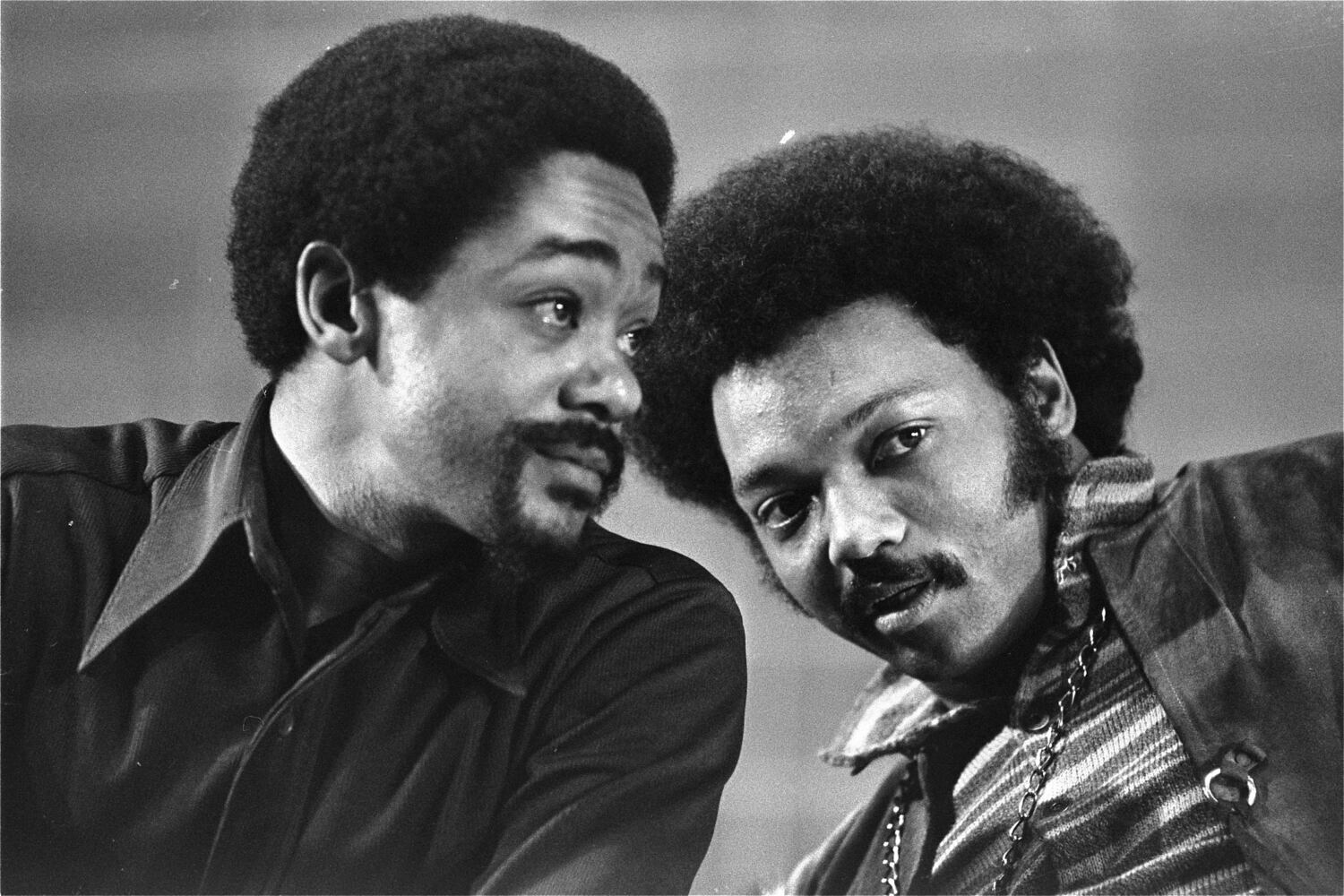

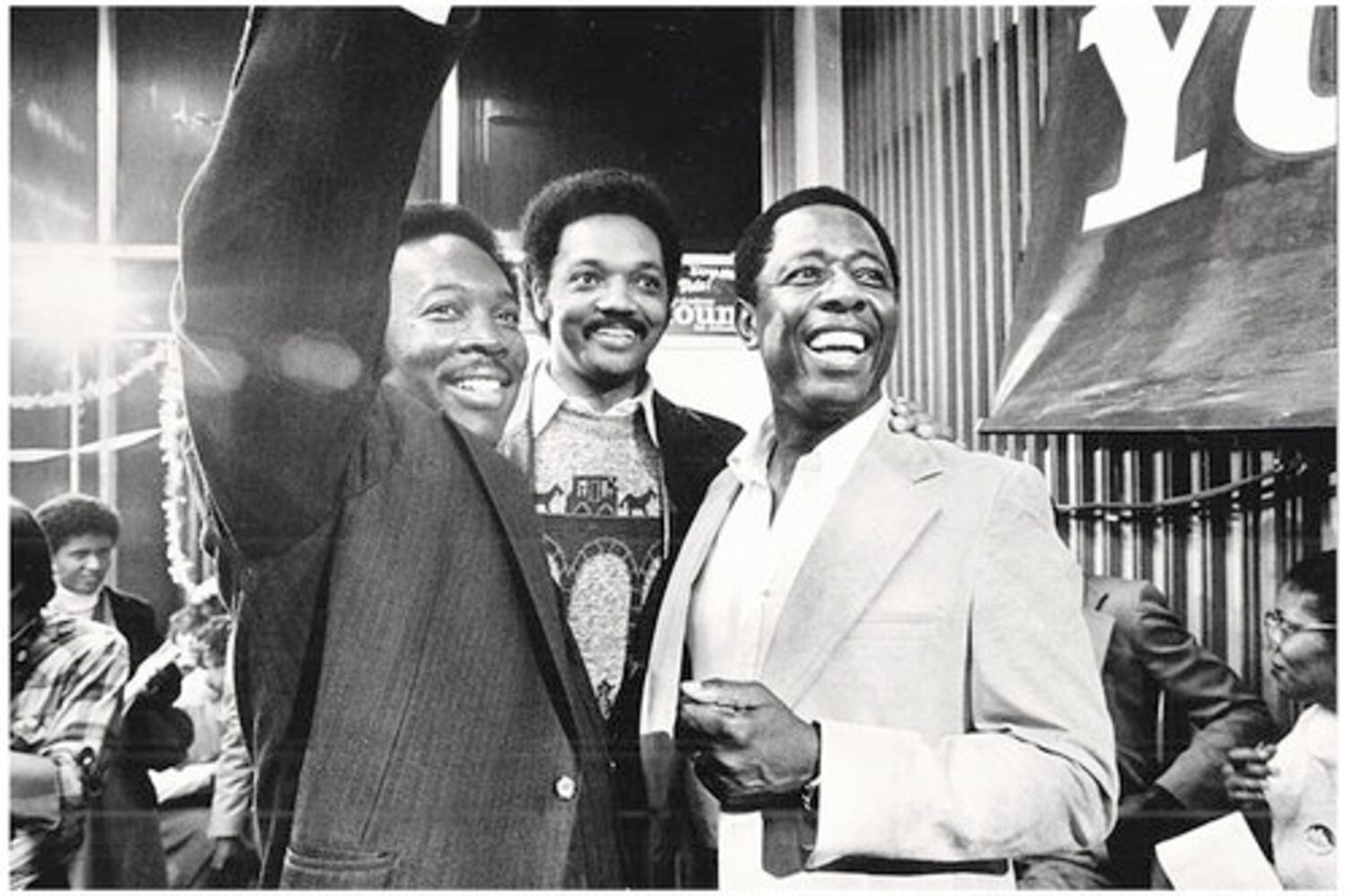
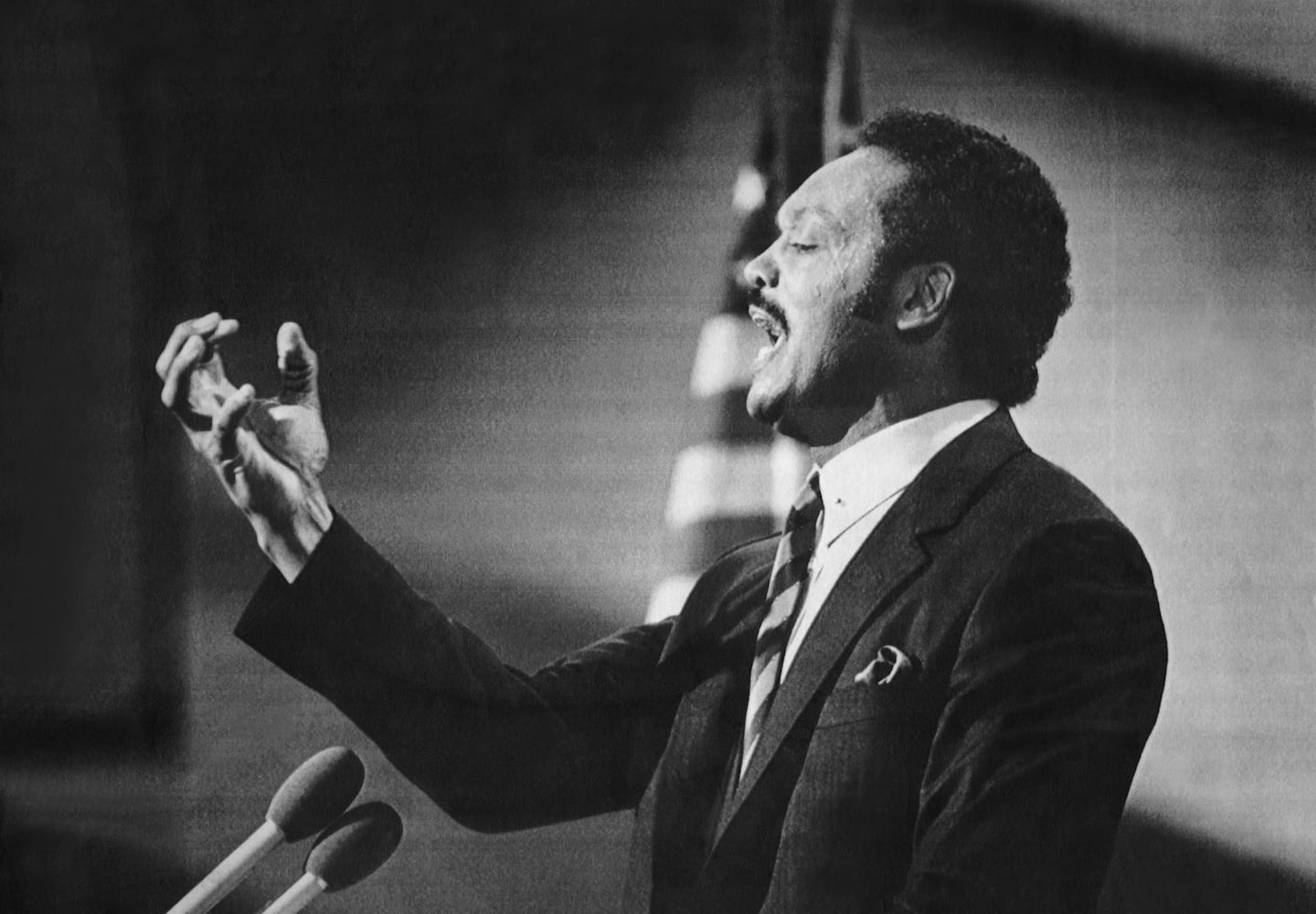
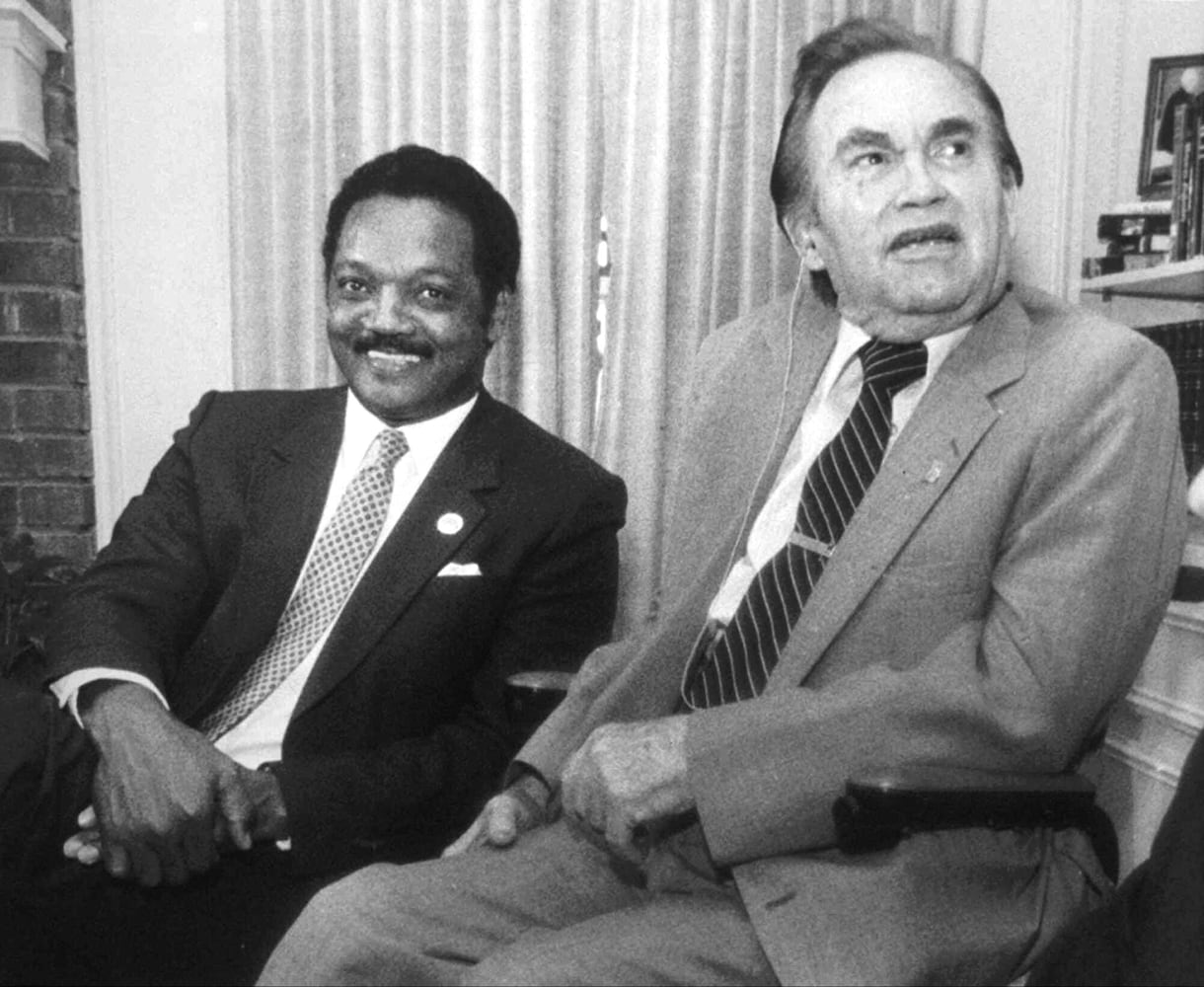


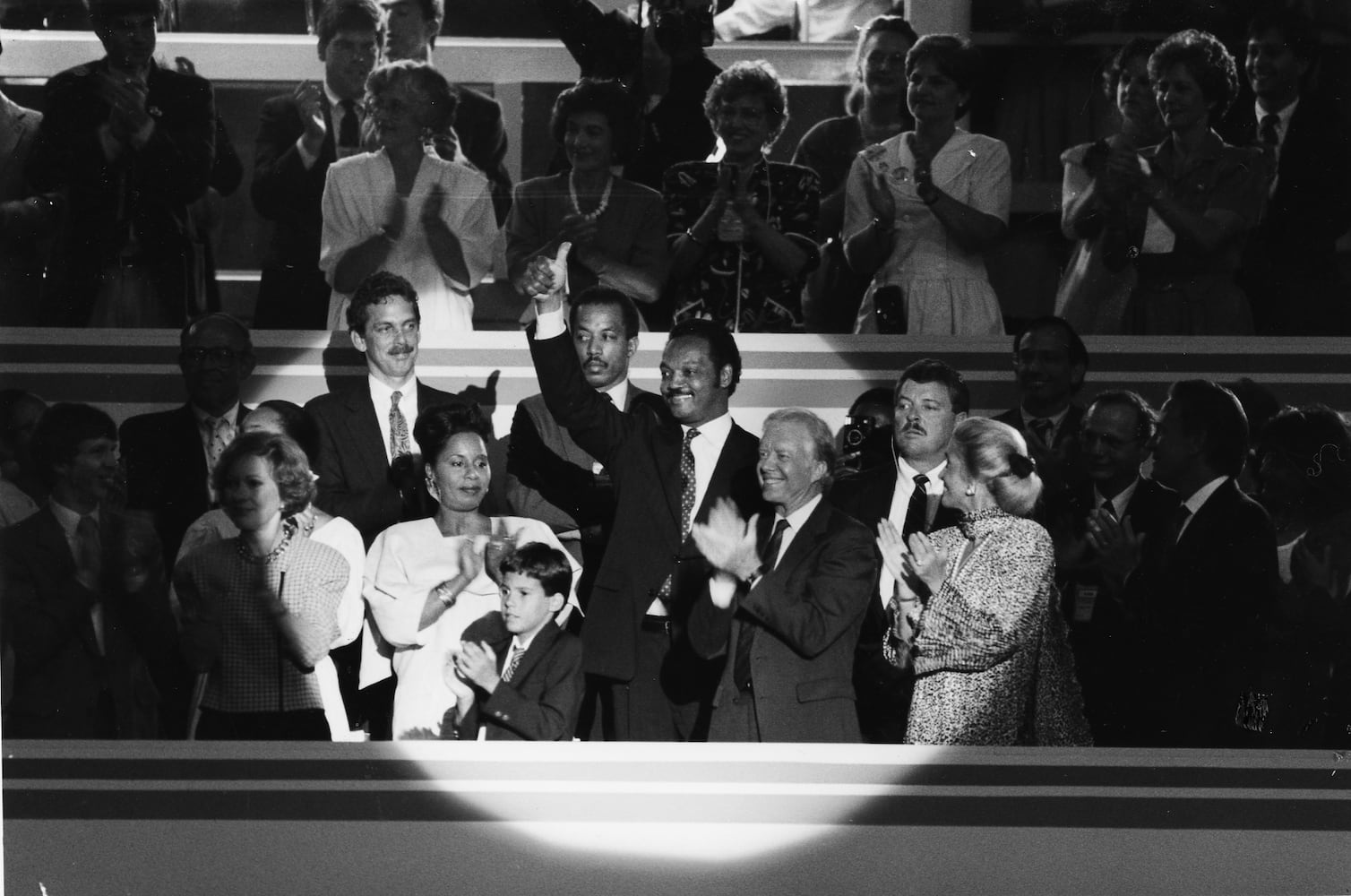
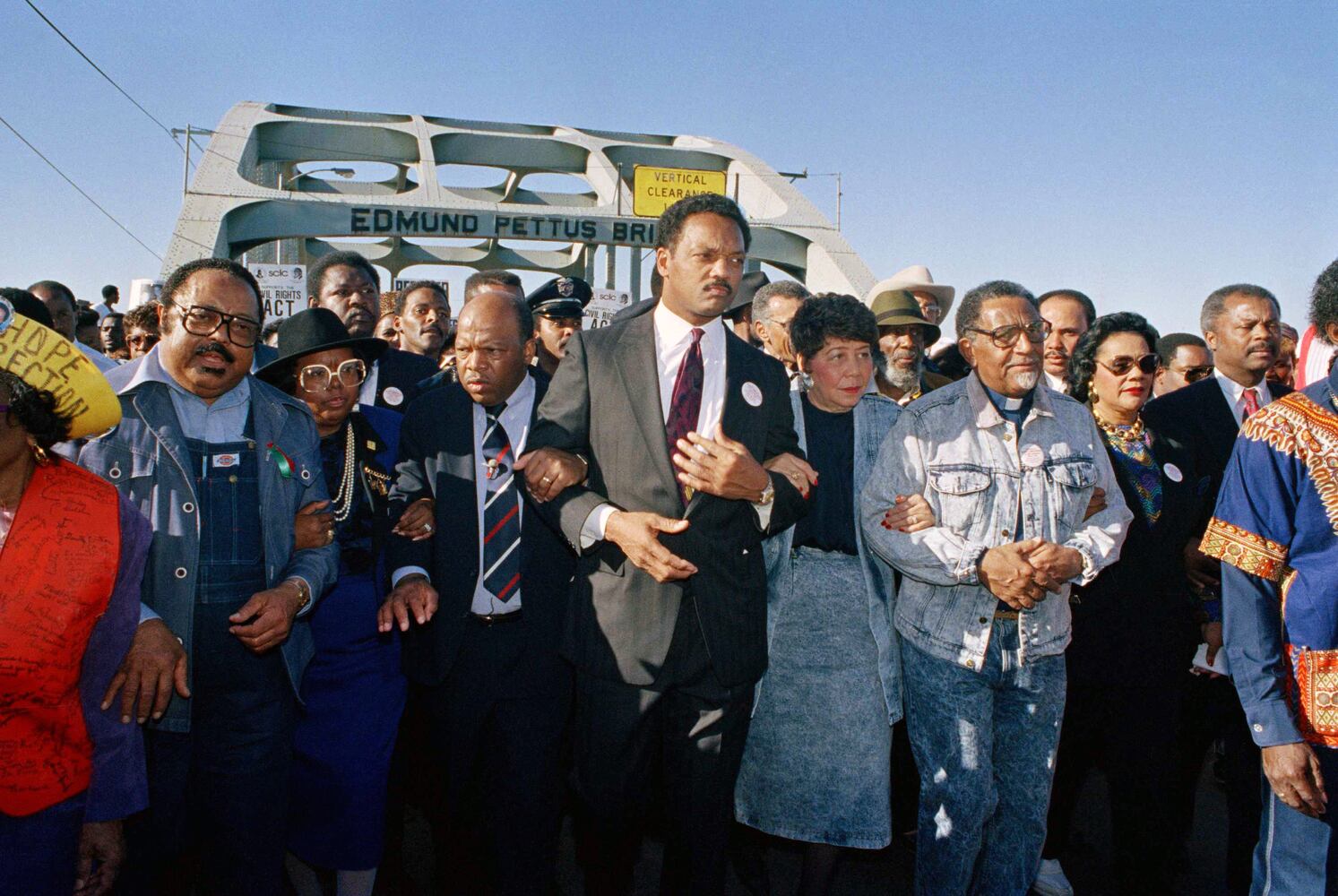
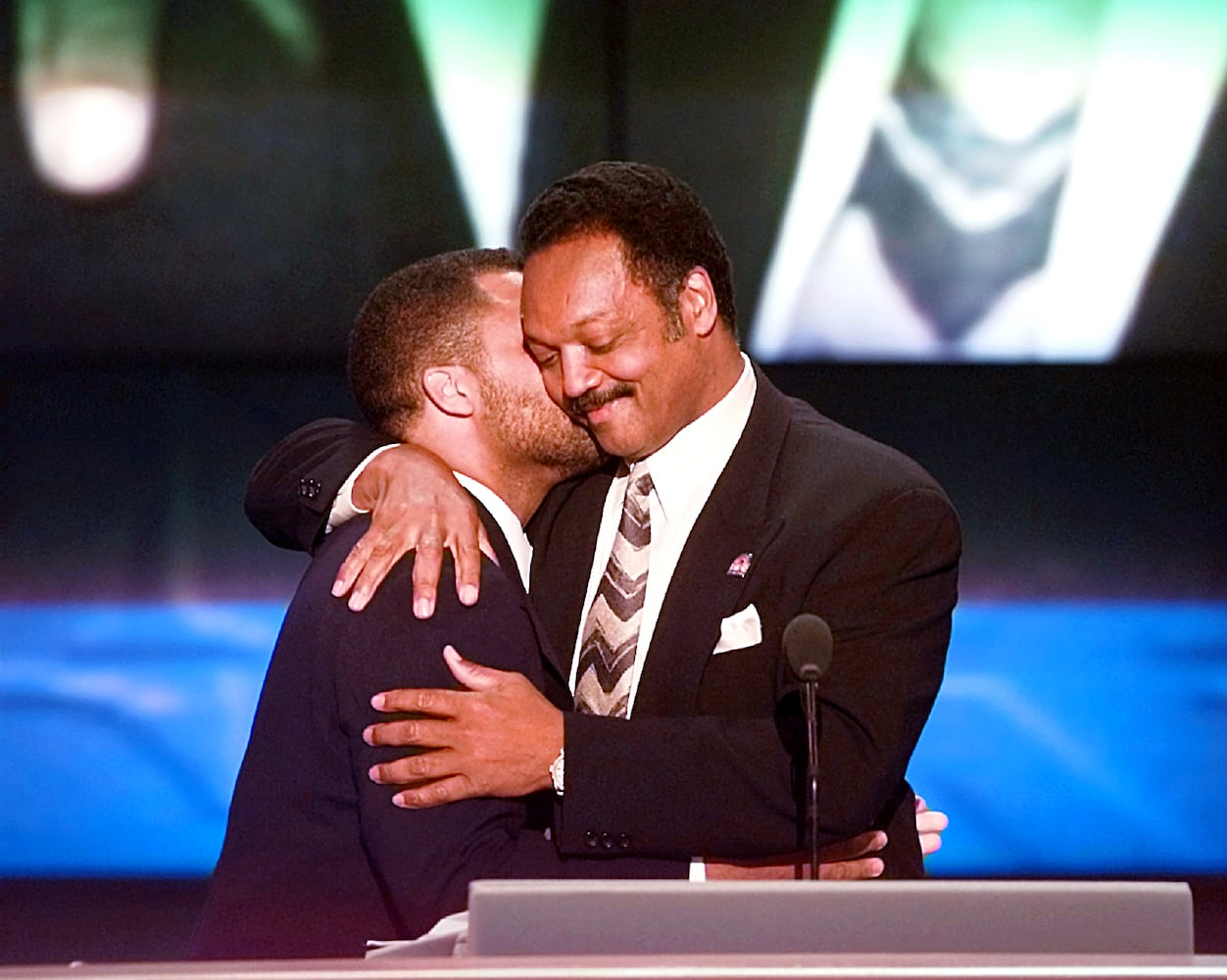
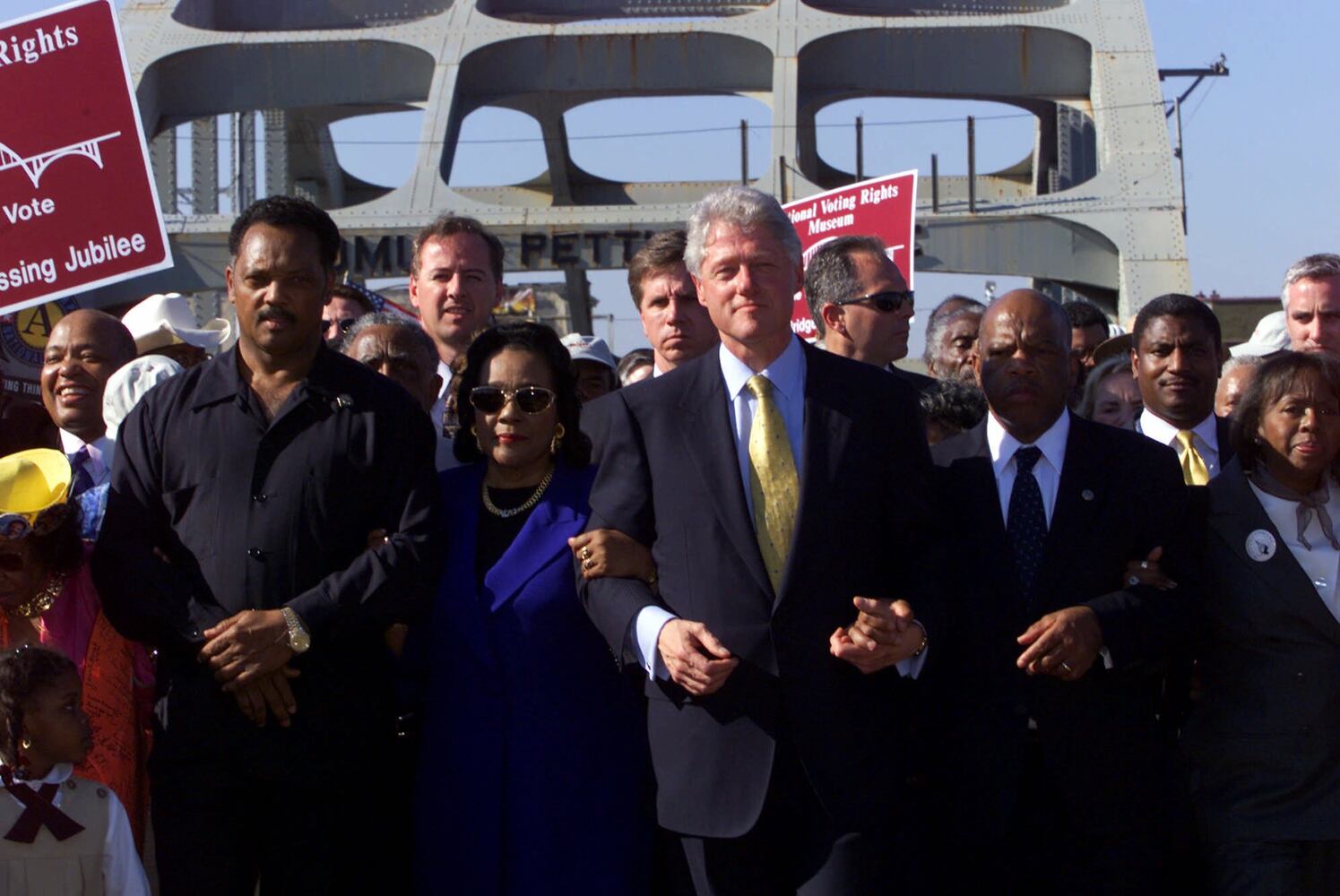

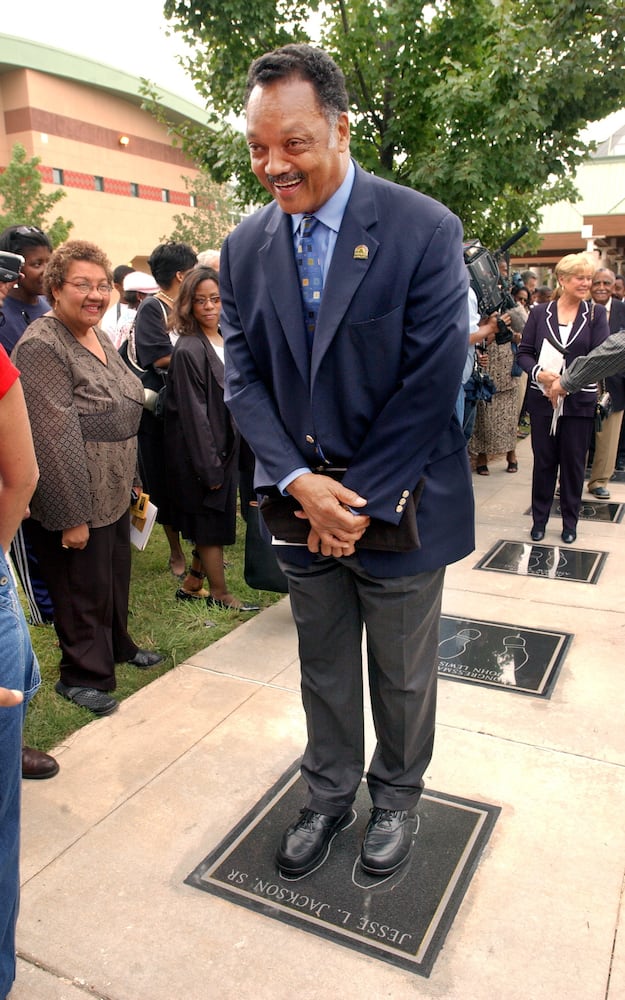




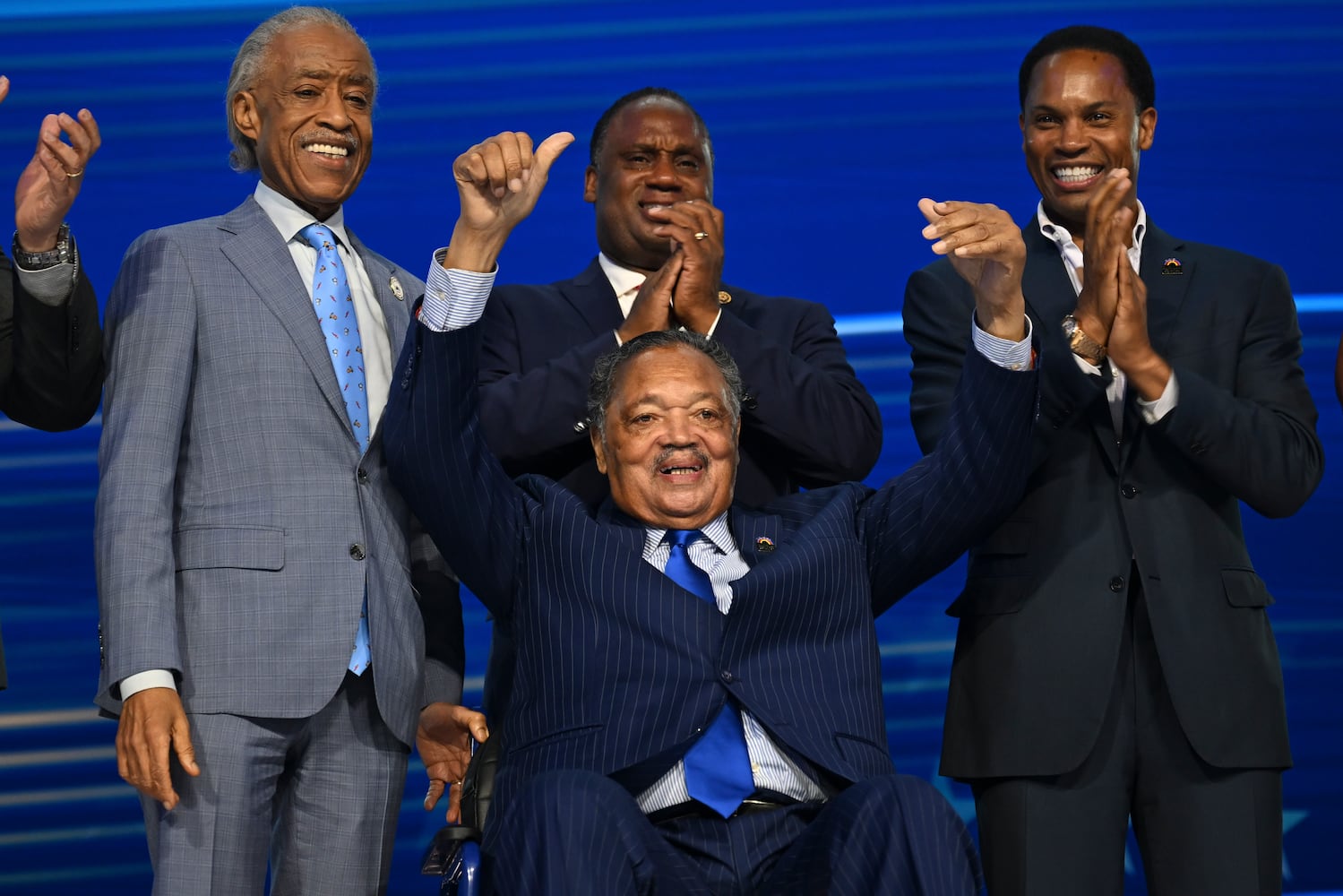
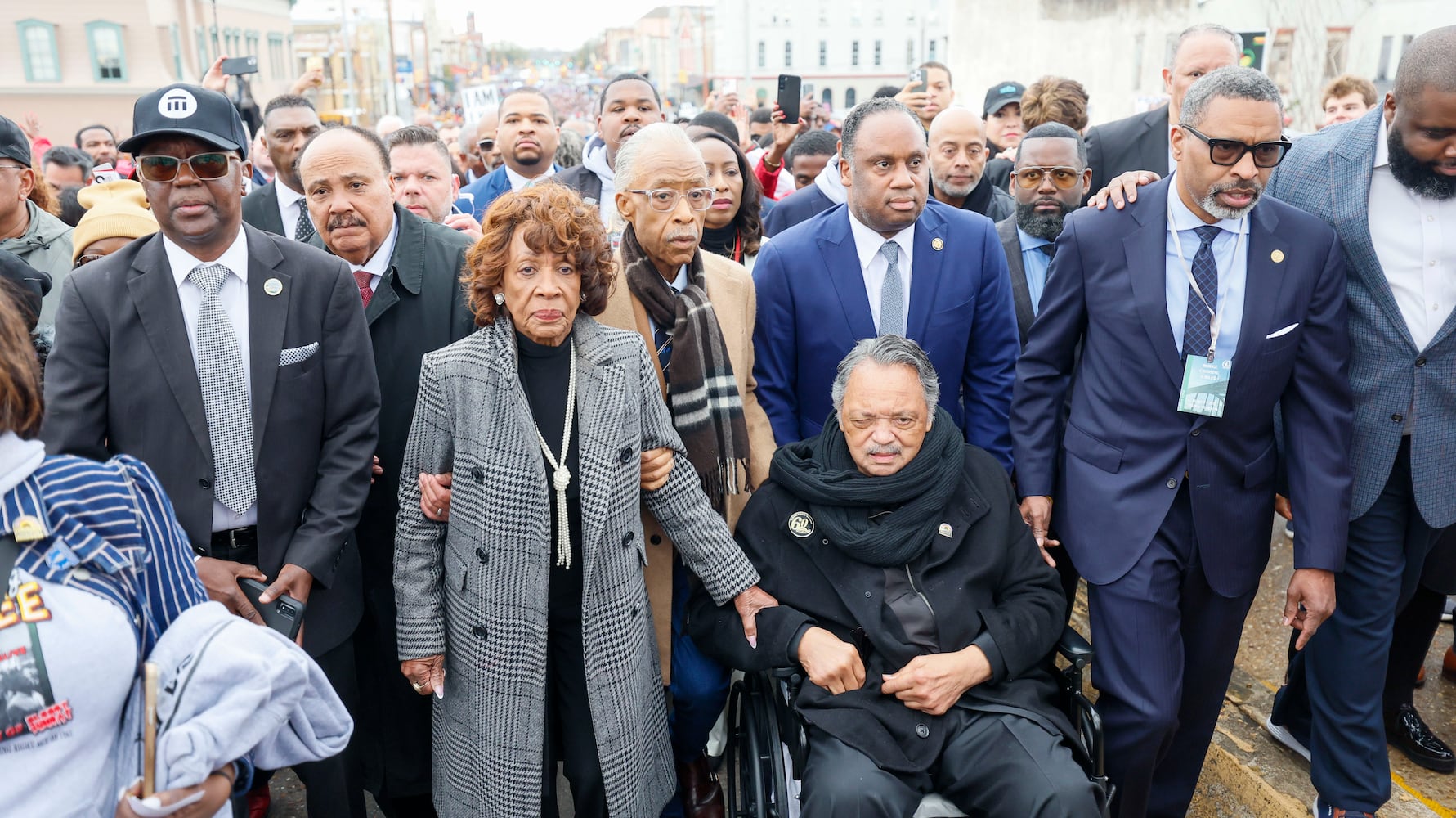
That lesson helped inspire the Target fast and boycott that launched an act of economic protest and moral witness. The boycott is rooted in a long tradition of nonviolent direct action practiced by Rev. Jackson and other civil rights-era leaders who understood that leveraging economic power is a key component of any effort to achieve social change. Without question, where we spend our money is as political as who we vote for. Rev. Jackson taught us that.
The movement to hold Target accountable for their retreat from their commitment to diversity, equity and inclusion ethos is organized around the principles and strategies of Rev. Jackson and those who organized boycotts, marches and campaigns long before this generation found its voice.
Rev. Jackson’s work in economic justice — from Operation Breadbasket to corporate accountability campaigns — laid the blueprint. His insistence that corporations must honor their commitments to equity and fairness continues to guide our movement.
Faith must have feet
One of the most affirming moments of my life was having Rev. Jackson stand with me in this Target boycott. Even as his health declined and with every reason to rest on a legacy already secured, he chose to remain in the struggle.
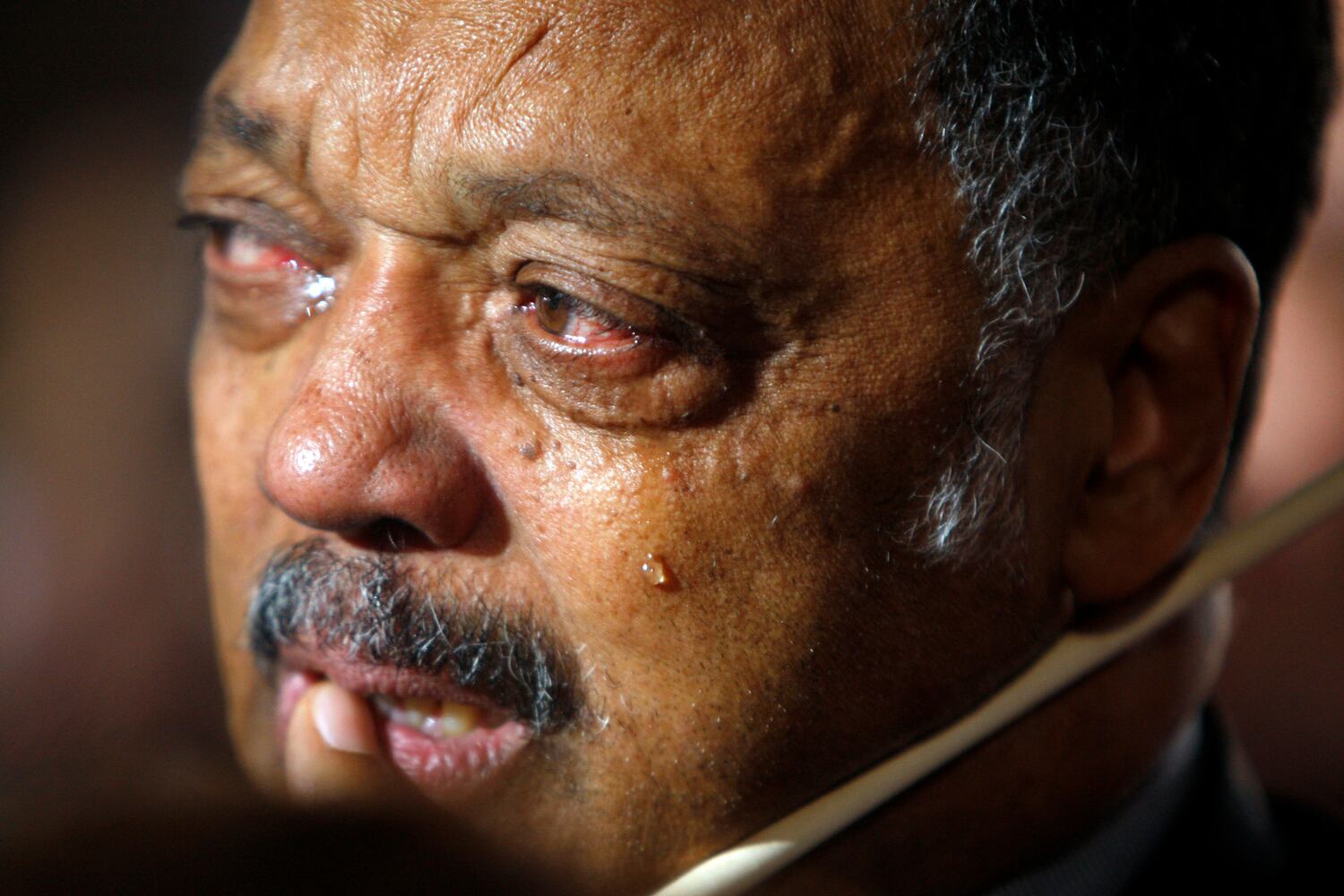
One of his final public acts of activism was joining us in Chicago to support the Target boycott and stand in solidarity with those demanding economic justice. In that moment, I did not just see a legend; I saw a living testament to personal endurance and the power of God’s grace toward a true general of the faith. Rev. Jackson showed us that the work of justice does not retire and the dream must outlive the dreamers.

Credit: Jamal-Harrison Bryant
Credit: Jamal-Harrison Bryant
His death signals the end of an era and while we still have the blessing to be able to continue to learn from the likes of Andrew Young and Xenobia Clayton, we realize that the generation of civil rights leaders who marched in the 1960s and carried that movement into the political and economic battles of the decades that followed are leaving us. Yet while the era may be ending, the assignment is not. The baton has been handed to those of us who were shaped by their courage and their conviction.
Rev. Jesse Jackson taught us that the arc of the moral universe bends toward justice only if our hands are willing to pull it. He taught us that democracy is not a spectator sport. He taught us that faith must have feet.
As we mourn his passing, we also honor his charge. It is now our responsibility to keep marching, organizing, voting, protesting, and believing that justice, though delayed, must never be denied.
Goodnight to the ultimate bridge builder, hope dealer, torch bearer, dream carrier — well done good and faithful servant. We’ve got it from here.
Jamal-Harrison Bryant is the senior pastor of New Birth Cathedral in Stonecrest. He is a noted author, philanthropist, social organizer and civil rights leader.
Keep Reading

The Latest

Featured
